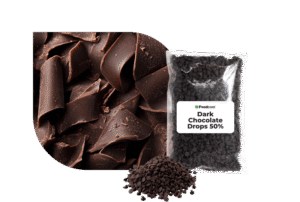

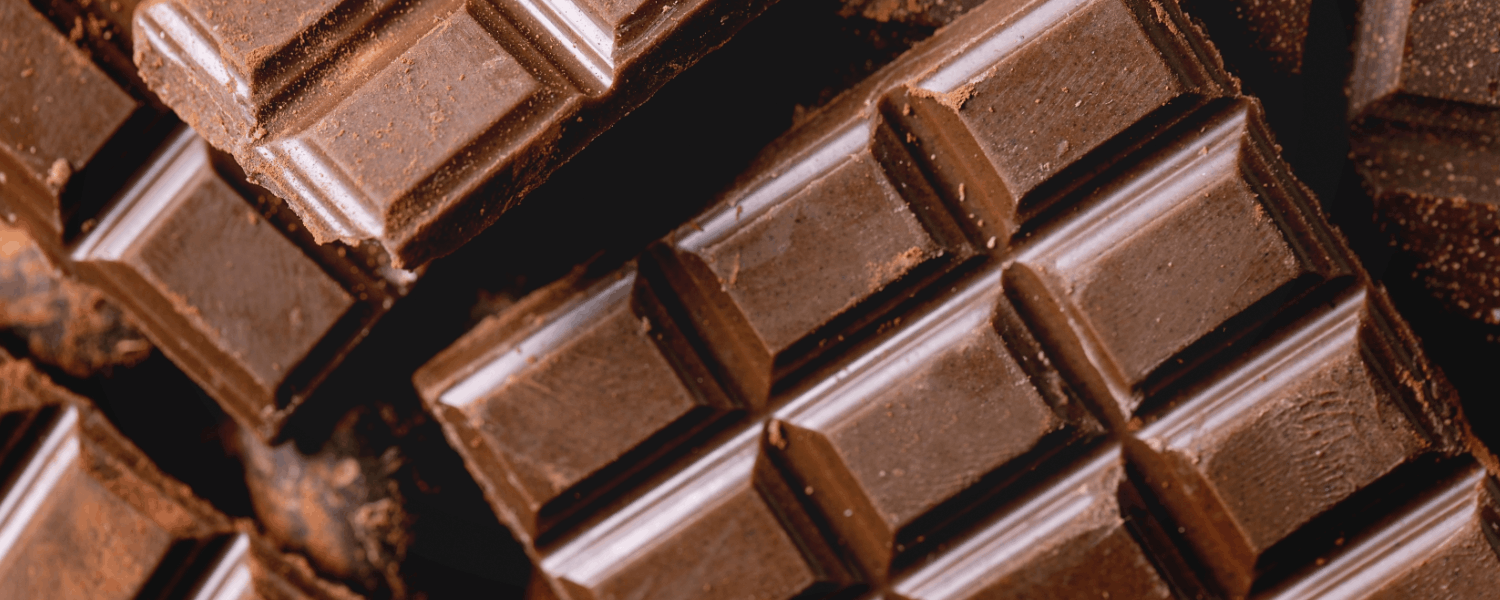
Chocolate is a product that combines craftsmanship, technology, and nature. Its flavor depends not only on the recipe, but also on the origin of the raw materials and the precision of the processing. Although many consumers are familiar with its final form, few understand how chocolate is made and just how complex and multi-step the process is. Find out how each stage of production works and what chocolate is made of.
What is chocolate made of, and what affects its quality?
To understand what chocolate is made of, you need to start with the basic raw material: cocoa beans. They form the foundation of the entire product and determine its taste, aroma, and properties. Cocoa beans are processed into semi-finished products such as cocoa mass and cocoa butter. The former contains both dry cocoa components and natural fat, while the latter is pure vegetable fat with a characteristic structure and melting properties. The most important ingredients that make up the final product include:
- cocoa (in various forms of processing),
- sugar,
- milk (in the case of milk chocolate),
- emulsifiers and natural flavorings.
The ingredients in chocolate are selected depending on the type of product – dark chocolate contains more cocoa, while milk and white chocolate rely on a higher amount of fat and milk additives.
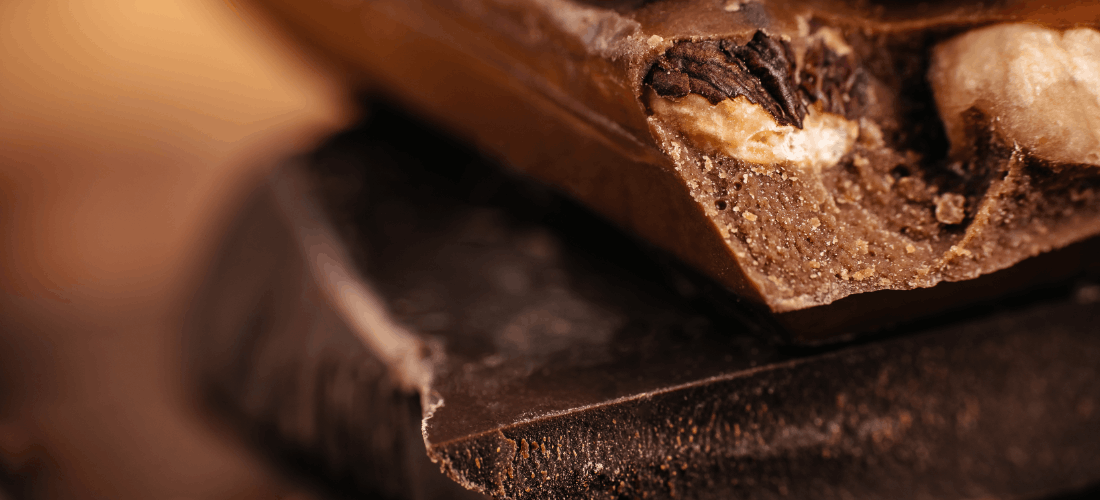
How is chocolate made? The detailed production process
The chocolate production process is extremely complex and multi-stage. It requires precision and control at every stage. It is precisely how the cocoa beans are processed that determines the final taste, aroma, texture, and quality of the product. How is chocolate made? The most important technological stages are as follows:
- Fermentation – after the cocoa fruit is harvested, the beans undergo fermentation. This is the stage where biochemical reactions responsible for aroma development take place. Microorganisms break down the sugars in the pulp, and the temperature rises, which affects the structure of the beans. Without fermentation, cocoa would be bitter and lack its characteristic aroma.
- Drying and stabilization – after fermentation, the beans are dried, most often in the sun. The purpose of this stage is to halt enzymatic processes and prepare the raw material for transport and further processing.
- Roasting – this is one of the most important stages, which influences the final flavor profile. High temperatures trigger Maillard reactions, which are responsible for chocolate, caramel, and nutty notes.
- Grinding and the formation of nibs – after roasting, the cocoa beans are hulled, meaning their outer shell is removed, and then ground. This process produces cocoa nibs, which are small pieces of crushed, shell-free cocoa beans. They are one of the basic semi-finished products in chocolate production – they can be further ground into cocoa mass or used directly in the food industry as an ingredient with an intense, bitter cocoa flavor.
- Grinding and obtaining a liquid mass – the nibs are ground into a liquid form. This creates “cocoa mass,” which forms the basis of all chocolate. It is a natural emulsion of fat and cocoa solids.
- Separation of fat – in some manufacturing processes, the paste is pressed to extract cocoa butter. This is extremely important for the texture and sheen of the finished product.
- Mixing and refining – at this stage, the remaining chocolate ingredients are added to the mass. The mixture is then thoroughly ground to achieve the desired particle size, which affects the smoothness in the mouth.
- Conching – this is a process of prolonged mixing at an elevated temperature. It can last from a few hours to even several dozen hours. During this time, undesirable volatile compounds are removed, and the product’s structure becomes silky.
- Tempering – the final stage is tempering, which involves the controlled cooling and heating of the chocolate. This allows the cocoa butter to crystallize in the correct form, ensuring the product’s shine, crispness, and stability.
Chocolate ingredients and physical and sensory properties
The ingredients of chocolate affect not only its taste but also its behavior during storage and processing.
- Cocoa butter determines the melting point – chocolate melts in the mouth but remains solid at room temperature.
- Cocoa provides bioactive compounds that benefit health.
- Sugar and milk modulate the flavor profile and texture.
Understanding the role of individual ingredients is particularly important for professionals who work daily with chocolate production. In practice, it is not just about selecting raw materials, but about their specific parameters – such as cocoa butter content, fineness of grind, or aromatic profile.
This is precisely why specialists readily turn to trusted sources of raw materials, such as the FDCM cocoa wholesaler, where products with specific technological properties are available. This not only enables consistent results but also allows for the precise matching of ingredients to a specific application – from praline production to advanced confectionery products.
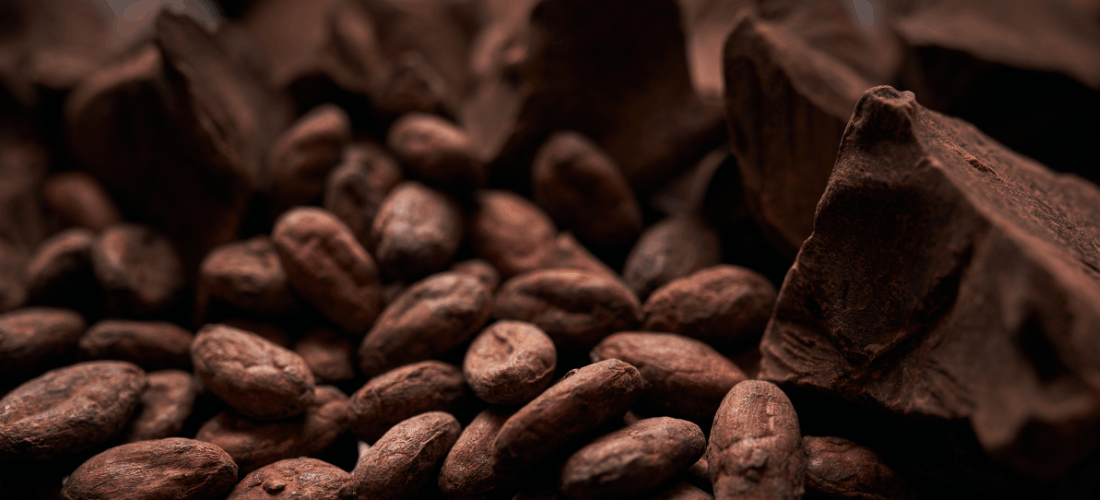
The properties of chocolate – more than just taste
Chocolate, especially that with a high cocoa content, exhibits a range of functional properties that go beyond its taste and make it valued in both nutrition and food technology. First and foremost, it is a rich source of antioxidants, including flavonoids, which help neutralize free radicals, reducing oxidative stress and supporting the protection of cells against damage. Such compounds may also have a beneficial effect on the cardiovascular system, improving the elasticity of blood vessels and supporting proper blood flow.
At the same time, chocolate affects the nervous system due to the presence of substances such as theobromine and small amounts of caffeine, which have a mild stimulating effect, support concentration, and can improve mood. Its technological characteristics are also significant, as chocolate is a raw material with specific rheological properties, where viscosity, fluidity, and the ability to control the crystallization of cocoa butter play a key role.
The use of chocolate in various industries
Chocolate is widely used in many sectors, such as:
- gastronomy and confectionery – it forms the basis of desserts, pralines, glazes, and creams. Depending on its form, it can be used as an ingredient or a decoration,
- the food industry – it is used in the production of candy bars, ice cream, beverages, and baked goods.
- cosmetics – thanks to its moisturizing and antioxidant properties, it is used in skincare products.
A modern approach to quality and production
Contemporary wholesalers, such as FDCM, focus on raw material quality control and optimizing the production process. This includes both bean selection and precise management of every stage of processing. Modern technologies enable consistent results, which is particularly important in large-scale production.
Chocolate is a fusion of nature and technology that has fascinated both consumers and food industry professionals for centuries. Understanding the chocolate-making process allows us to view it as more than just a sweet treat – it is the result of precise raw material processing, where every step matters.