

For years, milk proteins have been among the most important raw materials used in the food, pharmaceutical, and technical industries. Among them, acid casein holds a special place, valued for its high protein content, excellent functional properties, and numerous applications. Although most consumers associate it primarily with dairy products or sports nutrition supplements, the uses of this product are much broader. How is acid casein produced, what sets it apart, and in which industries is it used? Read on to find out.
What is acid casein?
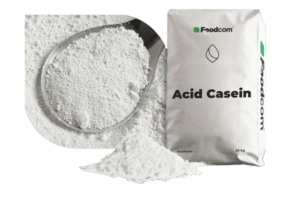
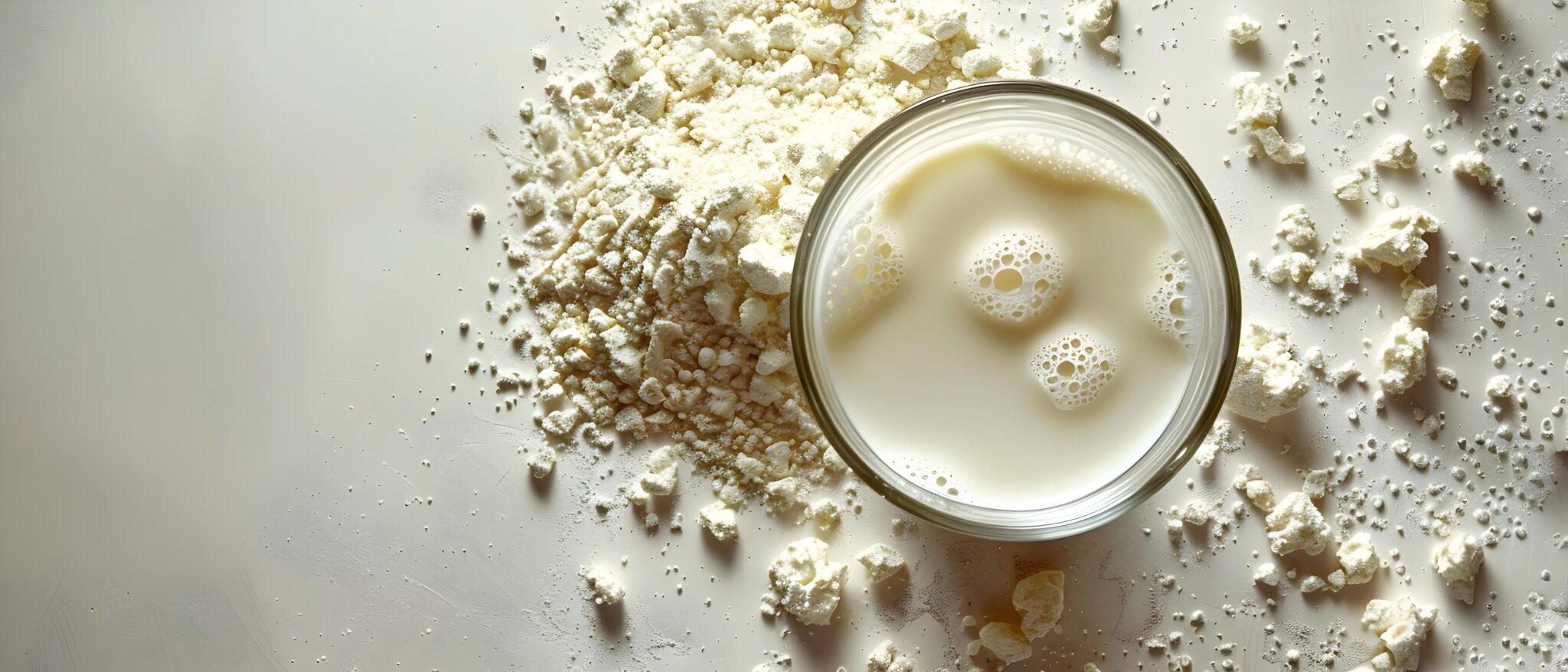
Acid casein is a milk protein obtained from skimmed cow’s milk through a controlled acidification process. It belongs to the group of the most important proteins naturally found in milk and accounts for about 80% of all proteins present in it. It most often appears as a light-colored, free-flowing powder with a neutral odor and a taste characteristic of milk proteins.
When produced properly, acid casein is distinguished by its high microbiological purity, low fat content, and high proportion of complete protein in its dry matter. Unlike other milk protein fractions, it is characterized by its ability to gradually release amino acids, as well as by its exceptional technological properties. It is precisely these properties that make it suitable not only for food production but also for many industrial processes.
How is acid casein produced?
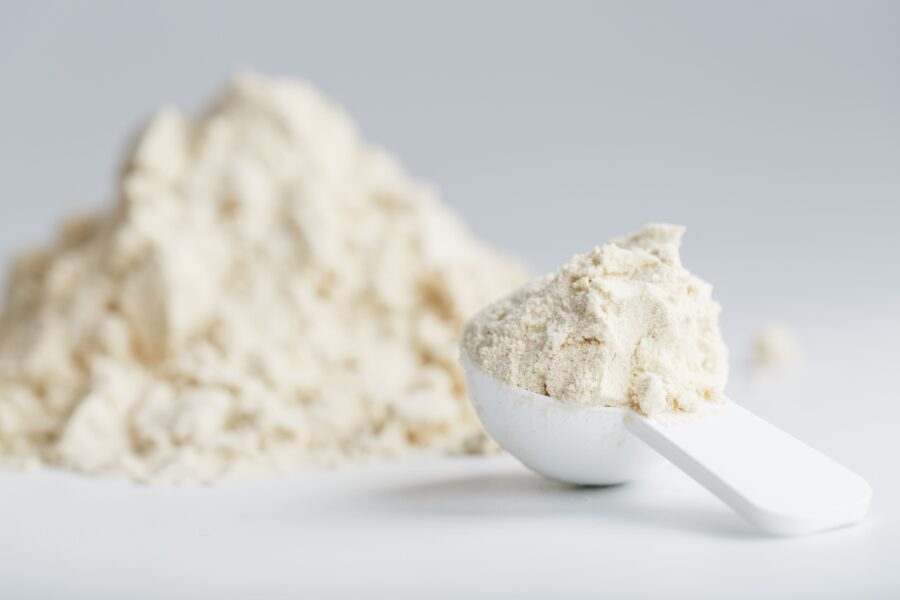
The production process begins with the preparation of skim milk, which is then acidified. Lactic acid or other substances that lower the pH of the environment are most commonly used for this purpose. When the pH reaches approximately 4.6, the casein fraction precipitates. The protein then separates from the other milk components, forming a characteristic precipitate. The mass is then filtered, thoroughly rinsed, and dried, which yields casein products with a high protein content and appropriate quality parameters. The final product is a powder with a uniform structure, free of undesirable impurities and sediments.
Key Properties of Acid Casein
The popularity of acid casein stems primarily from its unique technological and nutritional characteristics. Its high protein content makes it a valued ingredient in many food recipes and specialized formulations. Its most important properties include:
- high protein concentration,
- low fat content,
- good water-binding capacity,
- the ability to form stable gel structures,
- beneficial emulsifying activity,
- neutral taste and odor profile,
- high microbiological purity,
- good storage stability.
Acid Casein vs. Other Types
Various types of casein are available on the market, but acid casein is most often compared to rennet casein. Both products come from the same raw material, but they differ in how they are produced and in their properties. Rennet casein is produced using milk-coagulating enzymes, while acid casein is the result of a controlled reduction in pH.
These differences affect how the raw materials behave in production processes and their potential applications. Acid casein is valued in applications where high protein purity, a neutral taste, and the ability to form stable structures are required. For this reason, it is widely used in modern food products and specialized formulations.
Acid Casein – Applications in the Food Industry
The food industry remains the largest consumer of acid casein. It is used in both traditional dairy products and modern functional foods. Thanks to its ability to bind water and create the right texture, it is used, among other things, in the production of processed cheese, dairy desserts, high-protein beverages, and protein concentrates. It improves consistency and enhances stability during storage.
In baking, it helps maintain the proper moisture content of baked goods and improves their structure and freshness. In high-protein products, it increases the amount of complete protein without significantly affecting the taste. This allows manufacturers to create foods that meet the growing demand for high-protein diets.
Production of Dietary Supplements
Its high protein content and favorable amino acid profile make casein suitable for use in the dietary supplement industry as well. It is often used as an ingredient in protein supplements designed for physically active individuals. Furthermore, due to its slower digestion rate compared to whey proteins, it ensures a gradual release of amino acids, which is why it is frequently used in products intended for consumption between meals or before bedtime.
For manufacturers, high quality and consistent technical specifications are particularly important. This is precisely why acid-treated casein is among the highly valued ingredients used as raw materials for dietary supplements, which you can find on the FDCM.eu sales platform.
Acid-hydrolyzed casein – applications in the pharmaceutical and technical industries
The potential applications of acid casein extend beyond food and supplements. The protein is also used in the pharmaceutical industry, where it serves as an excipient in selected formulations and as a carrier for active ingredients. In the technical sector, particular attention is paid to its binding and film-forming properties. Casein can be a component of specialized adhesives, protective coatings, or materials used in industrial processes. Although modern technologies offer many synthetic alternatives, its natural origin and beneficial functional properties ensure that interest in this protein remains high.
Why is acid casein such a highly valued raw material?
Acid casein combines a high protein content with beneficial functional properties, such as the ability to gel, emulsify, and bind water. At the same time, it is characterized by a neutral flavor profile and high microbiological purity. As a result, it can be used in both traditional food recipes and advanced technological applications. Its versatility makes it one of the most important milk-derived ingredients, and it is used in many modern industries.