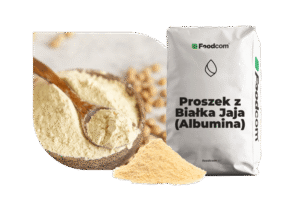


The food, baking, and rapidly growing confectionery industries are constantly seeking innovative solutions that combine the highest quality, microbiological safety, and convenience in everyday use. One of the indispensable and pioneering products that has earned the recognition of professional chefs, dietitians, and baking enthusiasts alike is powdered albumin, or dehydrated chicken egg white.
What is powdered albumin?
Powdered albumin is a product made from chicken egg white that has been separated from the yolks, pasteurized, and then dehydrated using spray-drying. The result is a light-colored, free-flowing powder with a very high protein content and a long shelf life. Egg white powder is used not only in confectionery and sports nutrition, but also in baking, the food service industry, the production of functional foods, dietary supplements, and many sectors of the food industry. It is considered one of the most versatile ingredients used in food production, mainly due to its beneficial technological properties and high content of complete protein.
The production process begins with the careful separation of egg whites from the yolks. The liquid mixture is then pasteurized to eliminate pathogenic microorganisms, including Salmonella bacteria. The next step is spray drying. This modern method allows for the rapid removal of water while preserving the protein’s most important functional properties. In this way, powdered albumin retains most of the characteristics of a fresh egg, while offering significantly greater convenience in terms of transport, storage, and dosing. You can find high-quality egg white powder at the trusted FDCM wholesale store. The platform also offers other egg products, including egg powder and egg yolk powder.
Egg protein powder – key properties
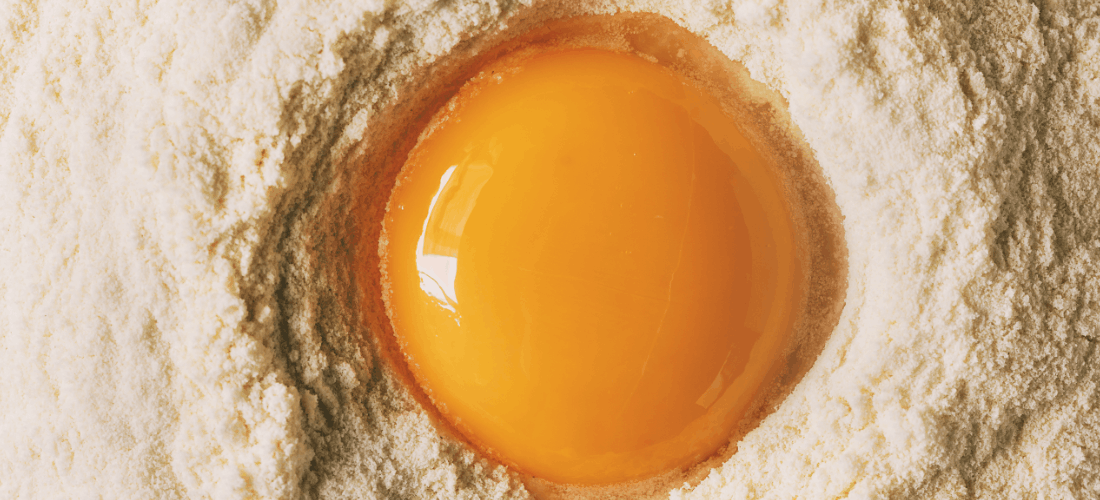
Albumin is valued primarily for its functional properties and high nutritional value. It contains as much as 80–85% complete protein and has a very favorable amino acid profile. The most important properties of albumin include:
- the ability to form stable foam,
- emulsifying properties,
- improvement of product structure and texture,
- neutral taste and odor,
- high solubility,
- gelling and water-binding properties,
- good processing stability,
- long shelf life,
- microbiological safety.
Foaming protein powder has the ability to aerate mixtures, making it suitable for use wherever a light and fluffy texture is required. Specialized varieties are also available on the market, such as high-foaming albumin, used mainly in professional confectionery and dessert production. What makes it stand out? It contains a foaming agent that ensures exceptional foam stability. It is a great and safe substitute for fresh egg whites.
Why is albumin so highly valued in the food industry?
One of albumin’s greatest advantages is the ability to standardize production. Unlike fresh eggs, the powdered product ensures consistent technical parameters, which is of great importance in large production facilities. It is also highly efficient. When properly hydrated, a small amount of powder can replace a large number of fresh eggs. It is estimated that approximately 100 grams of albumin corresponds to over 30 chicken egg whites.
Logistics is another major advantage. The product does not require cold storage, takes up less space, and can be stored for long periods. This reduces raw material waste and simplifies supply chain management. Microbiological safety remains an important consideration as well. Pasteurization significantly reduces the risk associated with the presence of bacteria, which is why albumin is widely used in professional food production.

Applications of albumin in various industries
Although powdered albumin is most commonly associated with confectionery, its applications are much more versatile.
Confectionery and baking
Powdered albumin is used in the production of:
- meringues,
- macarons,
- sponge cakes,
- mousses,
- royal icing,
- creams,
- pastry fillings.
This ingredient helps achieve a stable foam, a light texture, and the right volume in baked goods and desserts.
Production of functional foods and supplements
Due to its high protein content and favorable amino acid profile, albumin is used in the production of:
- high-protein supplements,
- sports supplements,
- dietary foods,
- products supporting the body’s recovery.
Furthermore, it is lactose-free, making it an excellent alternative for people who are intolerant to dairy products and milk proteins.
Catering and the food industry
Its emulsifying and stabilizing properties mean that albumin improves the texture and shelf life of many products. In the food industry, it is used to prepare, among other things:
- sauces,
- ready-to-use food mixes,
- instant products,
- meat products,
- convenience foods,
- high-protein foods.
Nutritional value of albumin
Albumin is a protein with very high biological value. It contains a complete set of essential amino acids – those that the human body cannot synthesize on its own. For many years, egg white has been considered one of the benchmarks for assessing protein quality in human nutrition. Its high digestibility and favorable amino acid profile make it popular in both clinical nutrition and sports nutrition.
Albumin and modern food technologies
The modern food industry focuses on functional ingredients that increase production efficiency, reduce waste, and maintain high product quality. Albumin combines rich nutritional value with excellent technological and logistical properties. It remains one of the most important ingredients used by both large production facilities and smaller food manufacturers.
The growing interest in high-protein foods and modern technological solutions translates into the increasing importance of powdered albumin in the food market. Its versatility, stability, and ease of use make it one of the most important raw materials used in modern food production – both in large-scale industry and in artisanal workshops focused on high quality and consistency.