

Coconut milk is a versatile vegetable raw material that is used in modern cuisine as well as in the food, cosmetic and pharmaceutical industries. Valued for its nutritional properties, natural creamy texture and processing flexibility, it has become an essential ingredient in many functional products and innovative recipes. Find out where coconut milk comes from, how the process of obtaining it works, and in which industries it is used today.
Where does coconut milk come from?
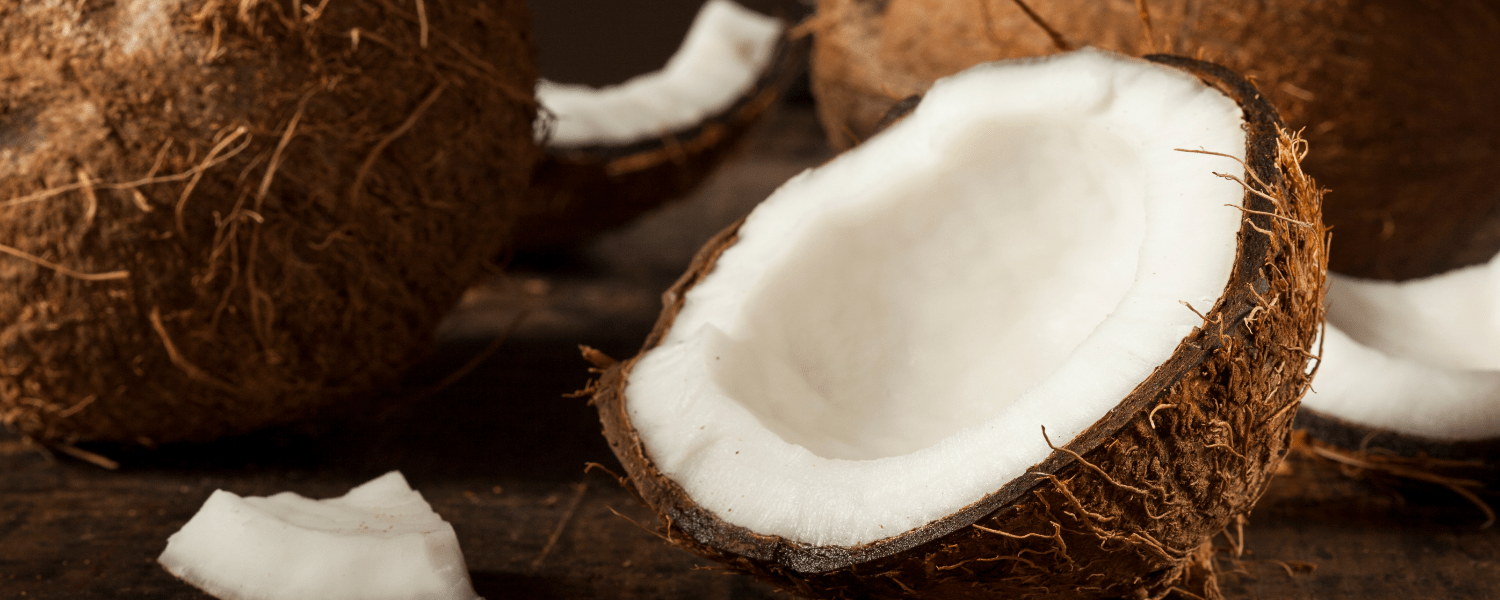
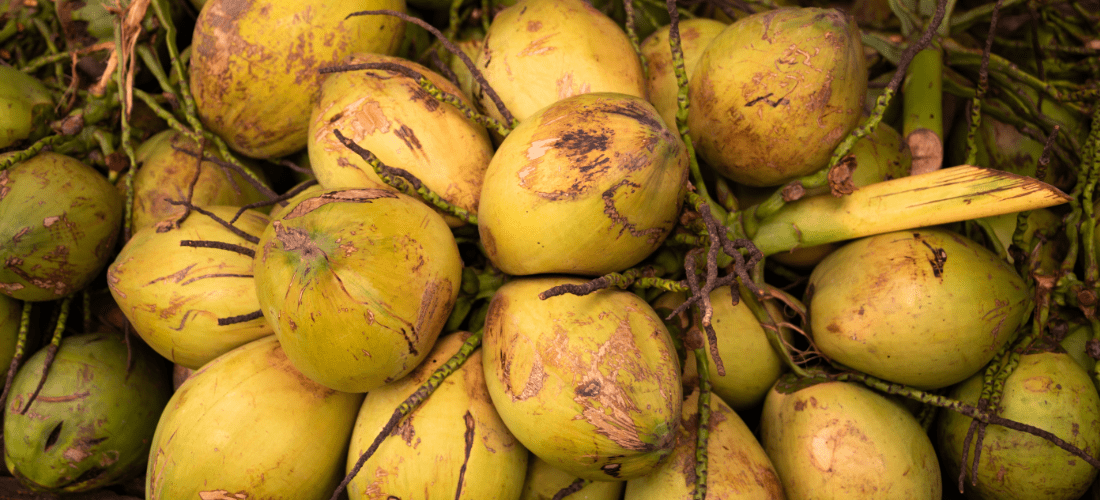
Coconut milk is extracted from the pulp of the ripe fruit of the coconut palm, or Cocos nucifera, a tropical plant whose largest crops are found in Southeast Asian countries such as the Philippines, Indonesia, Thailand and Sri Lanka. Coconut palm fruits take about 12 months to ripen, and their flesh is high in medium-chain fats (MCTs), vegetable proteins and natural sugars.
The process of extracting coconut milk begins with the harvesting of mature coconuts, which are then split and their flesh is mechanically processed. The traditional method involves grinding the pulp and squeezing it through fine sieves or a hydraulic press to produce milk with a natural, creamy texture. Modern industrial plants also use ultrafiltration and homogenization technologies, which increase the stability of the product while preserving its nutritional properties.
Properties of coconut milk
Coconut milk is distinguished by its richness in nutrients and unique fat profile. The main element is medium-chain triglycerides (MCT), which are easily absorbed by the body and can provide a quick source of energy. It also contains vegetable protein, fiber and natural minerals such as potassium, magnesium and phosphorus.
Analyzing the composition and functionality of coconut milk, the following properties can be distinguished:
- nutritional – it provides essential fats and plant proteins,
- functional – its creamy texture makes it an ideal ingredient in soups, sauces, desserts and beverages,
- health – MCTs contained in coconut milk can support metabolism, heart function and the immune system,
- technological – coconut milk powder can be stored for a long time and easily used in production processes.
How is coconut milk powder made?
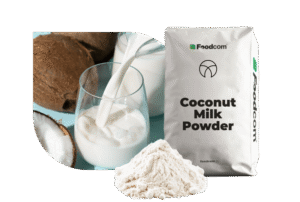
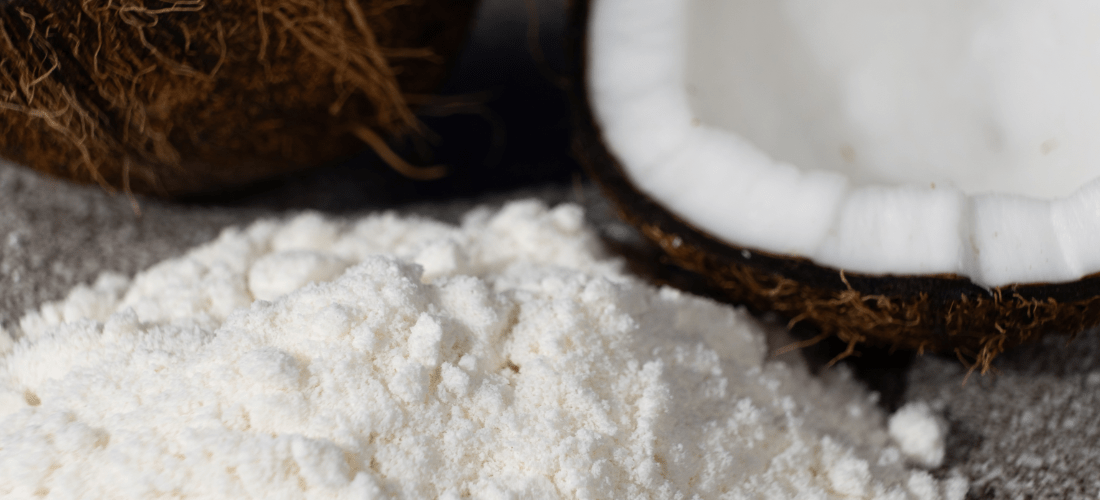
Coconut milk powder is a product obtained by spray drying or freeze-drying liquid coconut milk. The drying process produces a stable product with a long shelf life that is easy to transport and store, which is especially important in the context of raw material wholesalers and distribution.
Coconut milk powder retains most of the nutritional properties of fresh milk, plus it can be quickly reconstituted by adding water, making it an ideal raw material for the food industry.
Applications of coconut milk in various industries
The versatility of coconut milk makes it applicable to a wide range of sectors – from catering to the food industry to cosmetics and pharmaceuticals. Its functional properties, such as stability, creamy texture and natural origin, make it a raw material readily used in both culinary recipes and manufacturing processes. Depending on its form and purpose, coconut milk can act as a flavor, technological or personal care ingredient.
In gastronomy
Coconut milk is a staple ingredient in Asian, Caribbean and vegan cuisine. Thanks to its creamy texture and natural sweetness, it blends perfectly in:
- soups and curries,
- sauces and dips,
- cocktails and smoothies,
- desserts such as puddings, ice cream and vegetable creams.
In addition, coconut milk powder facilitates the creation of ready-to-use mixes for beverages or instant products, which are particularly attractive to functional and organic food manufacturers.
In the food industry
Coconut milk and its powdered form have found applications in manufacturing:
- plant-based dairy products, such as yogurts and plant-based cheeses,
- vegan candy bars and sweets,
- ready-made instant meals, such as soups and sauces,
- plant-based drinks and protein shakes.
In this context, coconut products are used not only for their taste and texture, but also for their emulsion and cream stabilizing properties.
In cosmetics and pharmaceuticals
Coconut milk exhibits a wide spectrum of skin care properties that make it a valued ingredient in cosmetic and pharmaceutical formulations. The plant lipids and natural nutritional compounds it contains promote the restoration of the skin’s hydro-lipid barrier, helping it to maintain an adequate level of hydration and elasticity. Thanks to its soothing and calming effects, it is often used in products for dry, sensitive and irritation-prone skin.
In body and facial care products, it acts as a nourishing and softening ingredient, improving the comfort of the product and promoting epidermal regeneration. In hair products, on the other hand, coconut milk contributes to improving the condition of strands, smoothing the structure and increasing the susceptibility to styling, while protecting hair fibers from drying out.
In pharmacy, coconut milk and its derivatives are used as auxiliary ingredients in dermatological and regenerative preparations. Their presence promotes the soothing of skin irritation and supports cell renewal processes. It is an additive to ointments, creams and emulsions intended for the care of skin requiring special protection.
In wholesale trade
The FDCM platform is a raw material wholesaler that offers a variety of coconut products, including coconut milk powder, ground coconut chips and coconut sugar, among others. Large batches of products optimize production costs and allow for flexible use in various product lines.
Why use coconut products in production?
Coconut products, including coconut milk and coconut milk powder, are characterized by:
- versatility in culinary and industrial applications,
- natural, plant-based origin, which corresponds to healthy eating trends,
- an abundance of nutrients that increase the value of the final product,
- long shelf life (especially in powder form),
- the possibility of easy integration into production processes, both in small and bulk batches.
Coconut milk as the raw material of the future
Coconut milk is not only a tasty addition to dishes, but also a valuable industrial raw material that finds applications in gastronomy, food production, cosmetics and supplements. This makes it easy to incorporate its nutritional and functional properties into a wide range of products.
For manufacturers and wholesalers of raw materials with coconut products, this is part of a strategy to create innovative and attractive products for consumers seeking healthy alternatives.