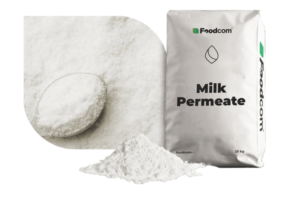


Milk permeate is a functional ingredient obtained through the filtration of milk, which is widely used in the food industry. Its composition is based primarily on lactose and valuable minerals, which influences the technological properties of many products. It is used, amongst other things, in the bakery, confectionery and dairy industries, where it supports recipe stability, improves product structure and helps to optimise production processes.
What is milk permeate?
Milk permeate is a product obtained during membrane processes used in the dairy industry, primarily ultrafiltration. During separation, milk is divided into different fractions. Components with larger molecules, such as proteins and fats, are retained by the membrane, whilst smaller components pass through it, forming the milk permeate.
The composition of the permeate is dominated primarily by lactose and minerals naturally present in milk. The protein and fat content is low, which distinguishes it from many other dairy products used in processing. In this way, it can perform specific technological functions without significantly affecting the structure or fat profile of the finished product.
How is milk permeate produced?
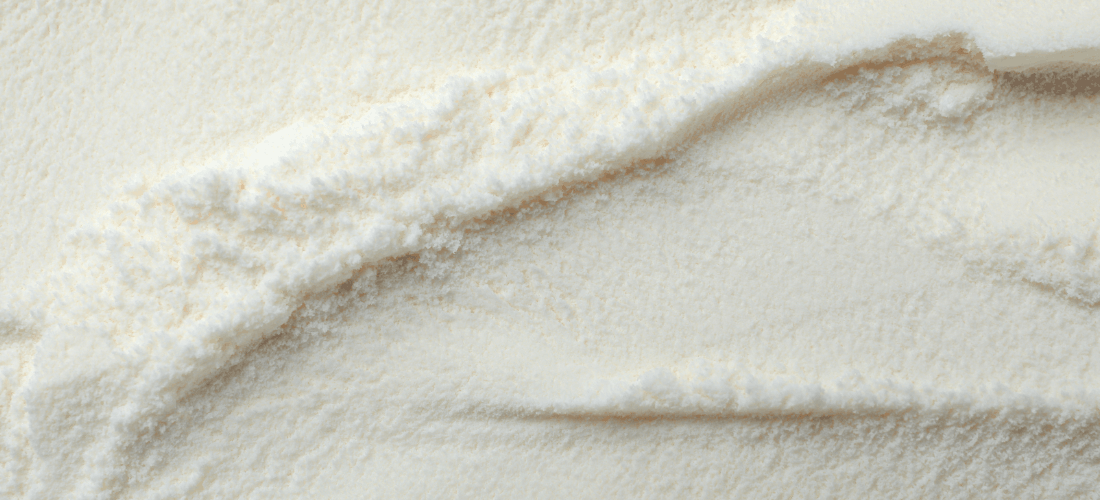
The production of permeate is based on the use of advanced membrane filtration technologies. The process begins with the preparation of the milk raw material, which is then subjected to ultrafiltration. Special membranes separate the components based on the size of their molecules. The fraction retained by the filtration system consists mainly of proteins and fats, whilst water, lactose and mineral salts pass through its structure. The resulting product can be further concentrated or dried to produce a powder.
This technological solution is in line with the principle of efficient use of raw materials. The modern food industry is increasingly focused on maximising the use of all components generated during production, thereby reducing waste and increasing process efficiency.
Properties of milk permeate
One of the main reasons for the growing interest in milk permeate is its functional properties. Its specific chemical composition means it serves several functions simultaneously. The most important characteristics include:
- high lactose content,
- the presence of natural milk minerals,
- a low fat content,
- low protein content,
- good solubility,
- a positive effect on product flavour,
- the potential to optimise formulation costs.
Lactose influences the taste of finished products and plays a role in processes occurring during heat treatment, such as browning and the development of aroma. Mineral components, on the other hand, improve the stability and structure of products, enhancing their quality during production and storage.
Milk permeate – product characteristics
Milk permeate is a raw material used by manufacturers seeking ingredients that maintain appropriate quality whilst optimising production processes. The product is a component of recipes requiring the addition of natural milk substances without the need to increase the fat or protein content.
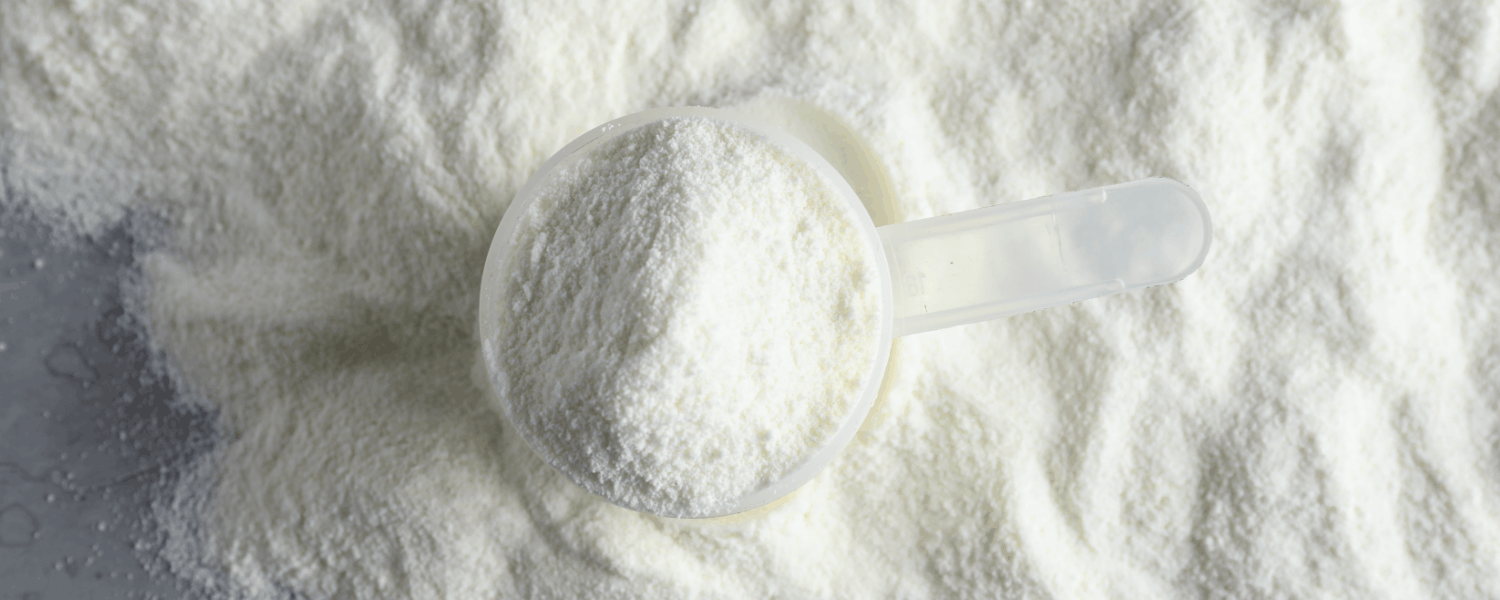
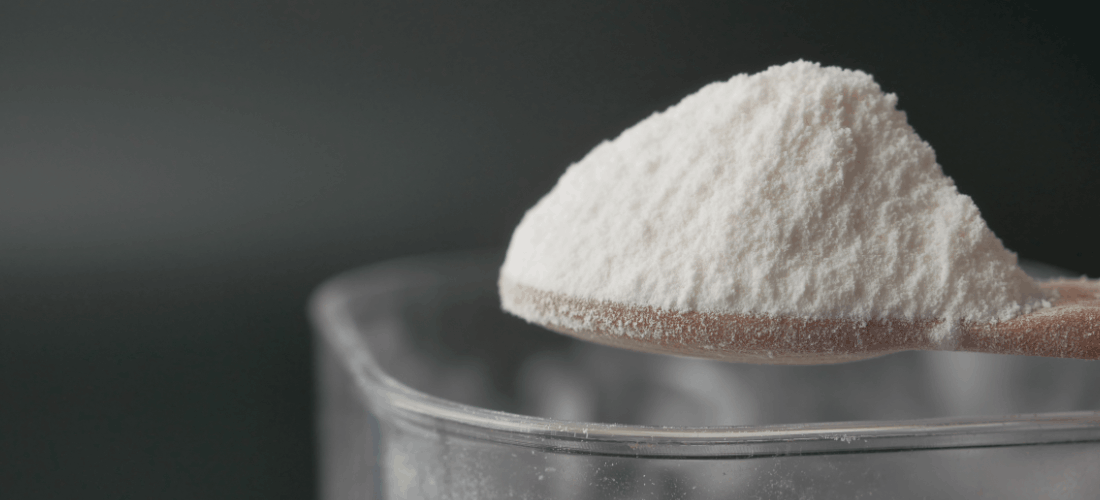
It is most commonly found in powder form, which makes it easier to store, extends its shelf life and makes it convenient to use in industrial production. For large-scale manufacturers, this means the ability to better plan production processes and control the parameters of finished products.
The use of milk permeate in the food industry
The widespread use of milk permeate stems primarily from its versatile properties and favourable technological profile. The food industry utilises it across many production segments. It is used, amongst other things, in the production of:
- bread and bakery products,
- sweets and confectionery,
- milk drinks,
- instant products,
- ice cream,
- dairy products,
- ready-made food mixes.
In the bakery industry, it affects the colour and taste of baked goods, whilst in confectionery products it helps achieve the desired sensory characteristics. Processed food manufacturers, on the other hand, use it as an ingredient to improve the functionality of recipes.
Differences between milk permeate and other dairy products
Permeate is sometimes confused with classic milk powder or other milk-derived ingredients. In practice, however, these are products with different compositions and different technological applications. Milk powder contains a higher amount of fat and protein, which is why it serves different functions in recipes. Permeate, on the other hand, is used mainly as a source of lactose and minerals. This allows manufacturers to precisely tailor the recipe’s composition to the desired final parameters.
Whey permeates – characteristics and significance
The dairy industry also utilises whey permeates, which are produced during the filtration of whey. Although their origin differs from classic products obtained directly from milk, the production mechanism remains similar. In this case, too, membranes separate larger molecules from smaller components passing through the filtration system. Such products are used particularly where the correct mineral composition and lactose content are crucial. The choice of a specific solution depends on the manufacturer’s technological needs and the parameters of the final product.
Where can you buy high-quality dairy ingredients?
For food manufacturers, it is not only the raw material itself that is of fundamental importance, but also its quality and supply stability. Platforms specialising in the distribution of ingredients for the food industry provide access to a wide portfolio of products tailored to various applications. The FDCM wholesaler offers solutions for businesses seeking raw materials used in modern food processing.
Milk permeate is an extremely important ingredient in many recipes. Its lactose and mineral content is particularly suitable for the production of bakery, confectionery and dairy products, influencing taste, texture and the course of technological processes. Its use allows the composition of products to be better adapted to production requirements and ensures consistent results on an industrial scale.