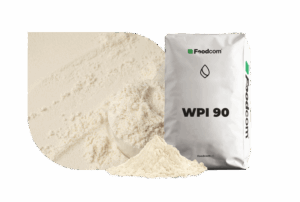


The growing interest in high-protein products means that food manufacturers are increasingly turning to specialised functional ingredients. One such ingredient is WPI, or whey protein isolate, which is used both in sports nutrition and in the food industry more broadly. Compared to other forms of whey protein, it stands out for its high protein content, good solubility and favourable processing characteristics.
What is WPI and how does it differ from WPC?
Whey protein isolate, or WPI for short, is one of the most purified forms of whey protein. During production, a significant proportion of fats, lactose and other non-protein components are removed. As a result, the final product is characterised by a high protein content whilst minimising other components.
How is whey protein made? The process begins with the separation of whey during the production of dairy products, followed by the use of advanced filtration and purification methods that allow for the production of ingredients with varying levels of protein concentration.
WPI and WPC – differences that matter in food production
In practice, WPI is most often compared with WPC, or whey protein concentrate. Although both products come from the same source, they differ in composition and scope of use. The most important differences include:
- protein content – WPI has a higher protein content than WPC,
- lactose content – the isolate contains significantly less,
- fat content – in the isolate, this is reduced to a very low level,
- degree of processing – WPI undergoes more advanced filtration stages,
- technological application – different parameters influence its use in specific products.
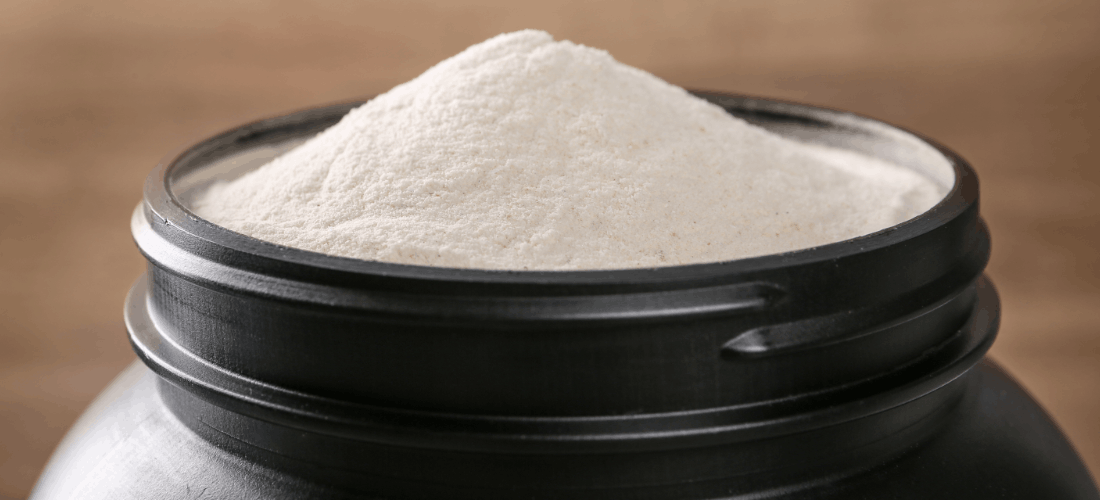
For food manufacturers, the appropriate choice of ingredient depends on the technological objective. WPC is suitable where cost-effectiveness and a moderate protein content are key, whilst WPI is chosen for the production of premium or specialist foods. Manufacturers use WPI not only to increase the protein content in finished products, but also to improve their structure, stability, texture and parameters affecting sensory perception.
WPI properties relevant to the industry – what to look out for?
One of the reasons for WPI’s growing popularity is the raw material’s excellent functional properties. It is not just about the high protein content, but also about the ingredient’s stability during processing. The most important characteristics include:
- high solubility in an aqueous environment,
- good emulsifying ability,
- formation of stable foams,
- water-binding capacity,
- improved product texture,
- ability to influence the viscosity of finished products.
These properties make whey protein isolate an ingredient with broad industrial potential. Manufacturers can use it in liquid, semi-solid and solid products alike. Quality standardisation is also of great importance. In industrial applications, consistent parameters are crucial, as even slight deviations can affect the behaviour of the final product during production and storage. Various concentrations of WPI are available on the market, and one of the most popular variants is WPI 90, which indicates a very high protein content with limited amounts of fats and sugars.
The use of WPI in the food industry
The modern food industry makes extensive use of protein ingredients. Growing interest in high-protein products means that manufacturers are seeking solutions that offer both suitable technological parameters and an attractive nutritional profile. The most common applications include the production of:
- protein supplements and nutritional products,
- functional drinks,
- protein bars,
- dairy desserts,
- high-protein yoghurts,
- bakery products,
- ice cream,
- dietary foods.
In the case of protein drinks, good solubility and product stability during storage are important. The protein should not precipitate out of the solution or cause undesirable changes in consistency. In the production of desserts and dairy products, however, texture-related parameters are also of great importance. A suitably selected whey protein isolate improves the creaminess of the product and influences its sensory profile.
WPI in the production of functional foods
The functional food segment is growing at an extremely rapid pace. Consumers expect food products to offer not only taste but also specific nutritional benefits. This is increasing the importance of ingredients such as WPI, which allow the protein content to be increased without significantly raising the fat or sugar content for a wide range of consumers, including:
- physically active people,
- senior citizens,
- people following high-protein diets,
- customers seeking functional products,
- manufacturers of specialist foods.

The use of WPI beyond traditional dairy products
Although whey proteins are primarily associated with dairy products, their use extends far beyond traditional dairy. Advances in production technology have enabled the use of protein ingredients in many other segments of the food market. High-protein products are increasingly appearing in the snack, functional bakery and ready-meal categories. In such applications, WPI serves both a nutritional and a technological function.
The industry also utilises the ability of proteins to form structures and stabilise emulsions. This makes it possible to achieve the desired consistency without the need for large amounts of additional thickening agents. An additional advantage is the lower lactose content compared to less purified protein products.
Why do manufacturers choose WPI?
WPI combines a high protein content with beneficial functional properties. The key benefits for the industry include:
- the ability to increase the nutritional value of products,
- improved processing properties,
- great versatility of use,
- high purity of the raw material,
- extensive possibilities for developing new recipes.
The FDCM platform, operating in the field of ingredients for the food industry, is observing growing interest in solutions based on whey proteins. This stems both from changing consumer expectations and from the need to develop modern products that reflect current market trends.