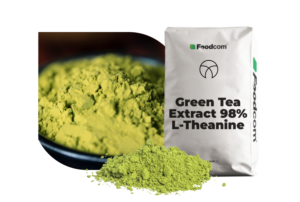
L-theanine is a compound that has gained particular interest in recent years among manufacturers of dietary supplements, functional foods and cognitive support formulations. Its growing popularity is due to its unique profile of action – it combines concentration support with a feeling of relaxation, without inducing drowsiness or lowering mental performance. It perfectly fits the needs of modern consumers seeking natural ingredients that promote mental and physical balance.
What is L-theanine?
L-theanine is a natural amino acid extracted mainly from the leaves of green tea(Camellia sinensis). In the raw plant material it is found in small amounts, so for industrial purposes it is extracted through isolation and purification processes that produce a substance of high purity.
This compound comes in the form of a white, crystalline powder with a characteristic, mildly botanical taste and smell. It is characterized by good solubility in water and high stability under storage conditions, which is important for manufacturers of finished formulations.
Origin and sourcing process
The starting raw material for the production of L-theanine is tea leaves, from which an aqueous extract is obtained in the first stage. At this stage, the base material is often referred to as green tea extract, which contains a number of bioactive compounds such as catechins, caffeine and amino acids. Then, using advanced separation methods, L-theanine is isolated and purified into a single-component raw material.
Alternatively, synthetic L-theanine, obtained through controlled chemical processes, is also available on the market. It is characterized by high reproducibility of parameters and purity, but many manufacturers still prefer a raw material of natural origin, especially in premium product lines.

L-theanine – mechanism of action and functional properties
The most valued properties of L-theanine are related to its effects on the central nervous system. The compound penetrates the blood-brain barrier and affects neurotransmitters responsible for regulating mood and arousal levels. It supports an increase in alpha wave activity in the brain, which is associated with a state of relaxation while maintaining mental alertness.
An important feature of L-theanine is its adaptogenic effect – it helps the body adapt to stress without producing the sedative effect typical of sedative substances. As a result, it can be used both during the day and in preparations for mental work, study or prolonged concentration.
Use in supplements and functional foods
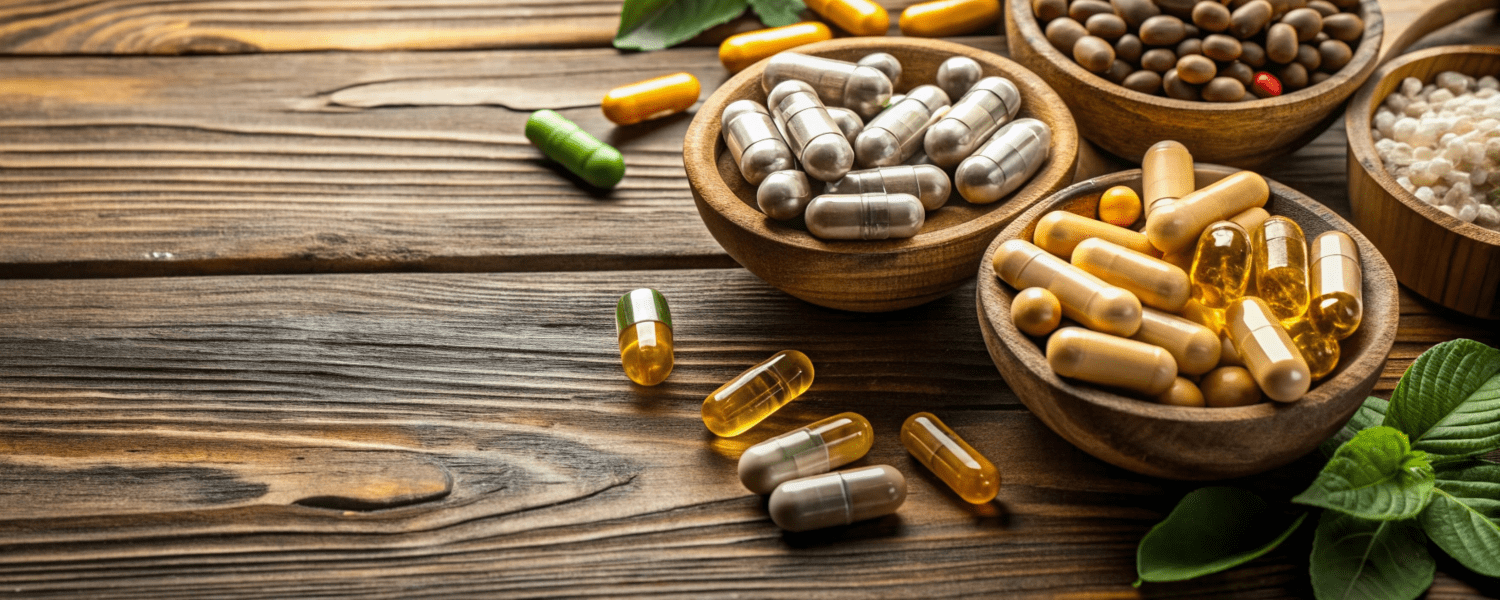
L-theanine’s wide-ranging uses primarily include dietary supplements to support concentration, memory and stress resistance. It is often combined with caffeine, B vitamins or other nootropic ingredients for a « clean energy » effect – stimulation without excessive nervousness.
Increasingly, the amino acid is also appearing in products in the functional food category, such as relaxation drinks, protein bars and powders for making drinks for active people. Its neutral sensory profile facilitates its use in various galenic forms.
Role in modern product formulations
From a technological point of view, L-theanine is a convenient ingredient to use. Its good water solubility and chemical stability allow its use in both capsules, tablets and liquid forms. An additional advantage is its high bioavailability, which allows it to be effective at relatively low doses.
Manufacturers of raw materials and formulations are increasingly looking for proven suppliers, such as FDCM, which offer ingredients with proven quality and full documentation. In this context, a wholesaler of extracts also plays an important role, ensuring continuity of supply and the ability to scale up production.
L-theanine vs. market trends and consumer expectations
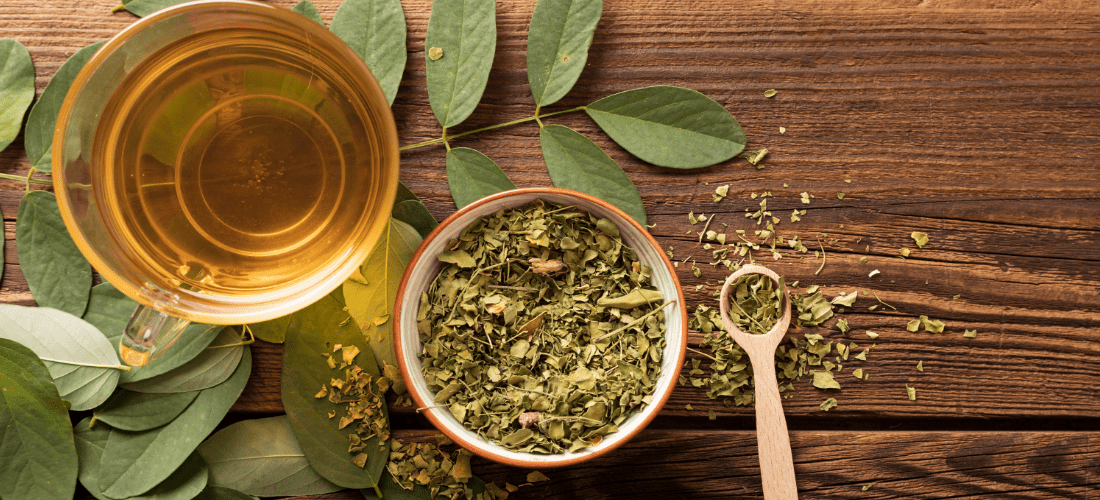
The increased interest in L-theanine is part of a broader trend of seeking ingredients that support mental well-being in a gentle way, without interfering with the body’s natural rhythms. Today’s consumers are increasingly paying attention not only to a product’s effectiveness, but also to its composition, origin and safety for long-term use. L-theanine, as an amino acid naturally present in tea leaves, responds perfectly to these needs, offering functionality based on physiological mechanisms rather than strong stimulant effects.
Compared to other ingredients that support cognitive function, L-theanine stands out for its subtle but clearly perceptible effects. It does not cause sudden spikes in energy or a sharp drop in concentration, which is particularly important in products designed for daily use. As a result, it is increasingly appearing in formulas aimed at white-collar workers, students, managers and anyone who functions under prolonged cognitive strain.
Prospects for further use of L-theanine
The rapid growth of the market for mental health support products means that L-theanine is seen as an ingredient with great development potential. Its presence in increasingly complex formulations, combining botanicals, vitamins and minerals, is opening up new opportunities for innovative products to meet the needs of different audiences.
All this makes L-theanine not just a temporary trend, but a stable element of modern product strategies. Its natural origin, safety and functionality make it an ingredient that is very likely to remain an important pillar of the dietary supplement and functional food segment in the years to come as well.
Natural support for concentration and mental balance
L-theanine is a modern yet natural amino acid that perfectly meets the needs of the market for products that support concentration and mental balance. Its unique profile of action, safety of use and wide formulation possibilities make it remain one of the most promising ingredients in the segment of dietary supplements and functional foods.