
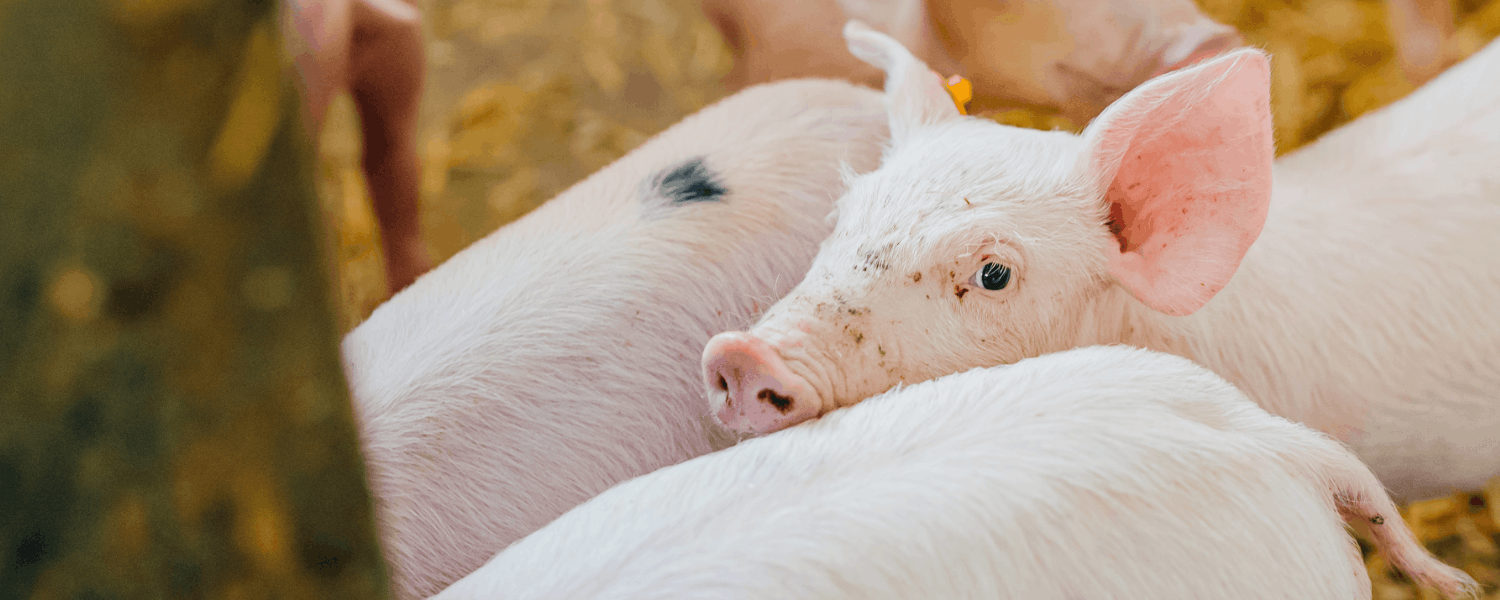
Proper nutrition for piglets is one of the most important factors determining herd health, growth rates, and future production efficiency. During the first weeks of life, young animals undergo rapid physical development, and any nutritional mistakes can have long-term consequences. Therefore, choosing the right feed should not be left to chance.
Feed for piglets – where to start?
The selection of feed for the youngest animals should primarily take into account their age and the stage of development of their digestive system. Piglets are born with limited digestive capacity, which is why colostrum is their first and most important food, followed by the sow’s milk. However, it is advisable to introduce prestarter feed as early as the first days of life to prepare the digestive tract for digesting solid feed. Good feed for piglets should be:
- easily digestible,
- energy-rich,
- properly balanced in terms of amino acids,
- taste-appealing.
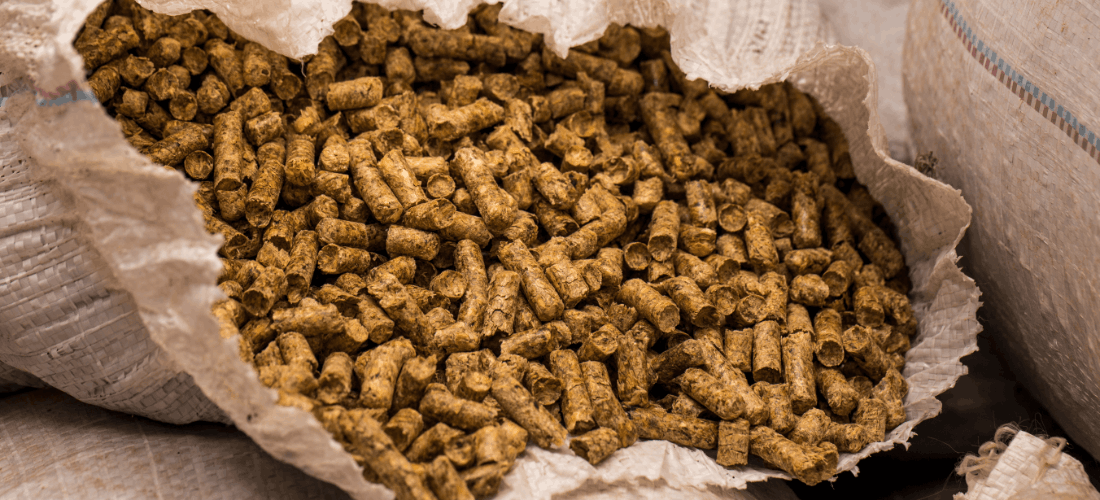
At this stage, the high quality of the components is particularly important. In practice, this means using ingredients such as high-quality dairy products, vegetable fats, and easily digestible protein sources. In the first weeks of life, functional additives that support gut microbiota and immunity are also frequently used. One of the components used in the nutrition of young animals is feed-grade wheat gluten, which serves as a concentrated source of protein and improves the mixture’s structure.
Wheat protein – a key dietary component
One of the most important components of piglet feed is protein. It is responsible for tissue formation, muscle development, and the proper functioning of the body. High-quality wheat protein is distinguished by its good digestibility and favorable amino acid profile, making it a valuable component of feed mixtures. Compared to some other protein sources, wheat components are characterized by:
- high protein concentration,
- good digestibility,
- quality stability,
- low content of anti-nutritional factors.
Thanks to these properties, wheat protein can effectively support the development of piglets, especially during the weaning period, which is one of the most critical moments in their lives. During this time, the animals are exposed to stress, a decline in immunity, and digestive problems, so their diet should be optimized as much as possible.
Feed for weaned piglets – what to look for?
The post-weaning period is a time when not only the feeding regimen changes, but also the body’s needs. Piglets transition from a milk-based diet to solid feed, which places a significant burden on the digestive system. During this time, feed for piglets should:
- contain easily digestible energy sources,
- have a limited amount of crude fiber,
- support the stabilization of intestinal microflora,
- provide an adequate amount of micronutrients and vitamins.
The quality of the ingredients is also extremely important. High-quality feed ingredients help reduce the risk of health issues and improve nutrient utilization. In practice, this translates to better growth rates and lower losses in the herd.
How to match feed to the production goal?
The intended use of the animals is also significant. Piglets intended for further fattening will have different requirements than those intended for breeding stock. For fattening piglets, the following are of great importance:
- rapid weight gain,
- efficient feed utilization,
- optimal protein conversion.
In contrast, for breeding stock, greater emphasis is placed on:
- uniform growth,
- immunity,
- proper skeletal development.
A properly balanced diet allows these goals to be achieved without the need for excessive additives or costly dietary adjustments later on.
How should dietary changes be introduced in piglets to avoid health problems?
One of the most common mistakes in feeding young animals is changing the type of feed too abruptly. Piglets’ digestive systems are very sensitive, so any dietary modification should be implemented gradually. This applies both to the transition from sow’s milk to solid feed and to subsequent changes in feed mixtures during later rearing stages.
As a result, it is necessary to use transition periods during which the new feed is introduced gradually, alongside the current diet. This approach allows the intestinal microflora to adapt to the new ingredients and reduces the risk of diarrhea or a decrease in feed intake. Attention should also be paid to the physical form of the feed. Finely ground feed or pellets with the right texture are more readily consumed by piglets and are better digested. Freshness and storage conditions are also important—moisture or contamination can quickly degrade the quality of even the best-balanced mix.
Proper management of dietary changes is not only a matter of animal comfort but also has a real impact on production performance. Smooth transitions between feeding stages help maintain a high growth rate and minimize losses, which often result not from the feed itself but from errors in its introduction.
Why is feed quality so important?
There is no room for compromise in piglet feeding. Every ingredient in the mix should be carefully selected and sourced from a trusted supplier. Low-quality components can lead to digestive problems, reduced immunity, and poorer production performance. This is precisely why more and more producers are turning to solutions offered by FDCM, where the emphasis is on consistent quality and product safety. Properly selected feed components allow for the development of stable and effective feeding programs.