


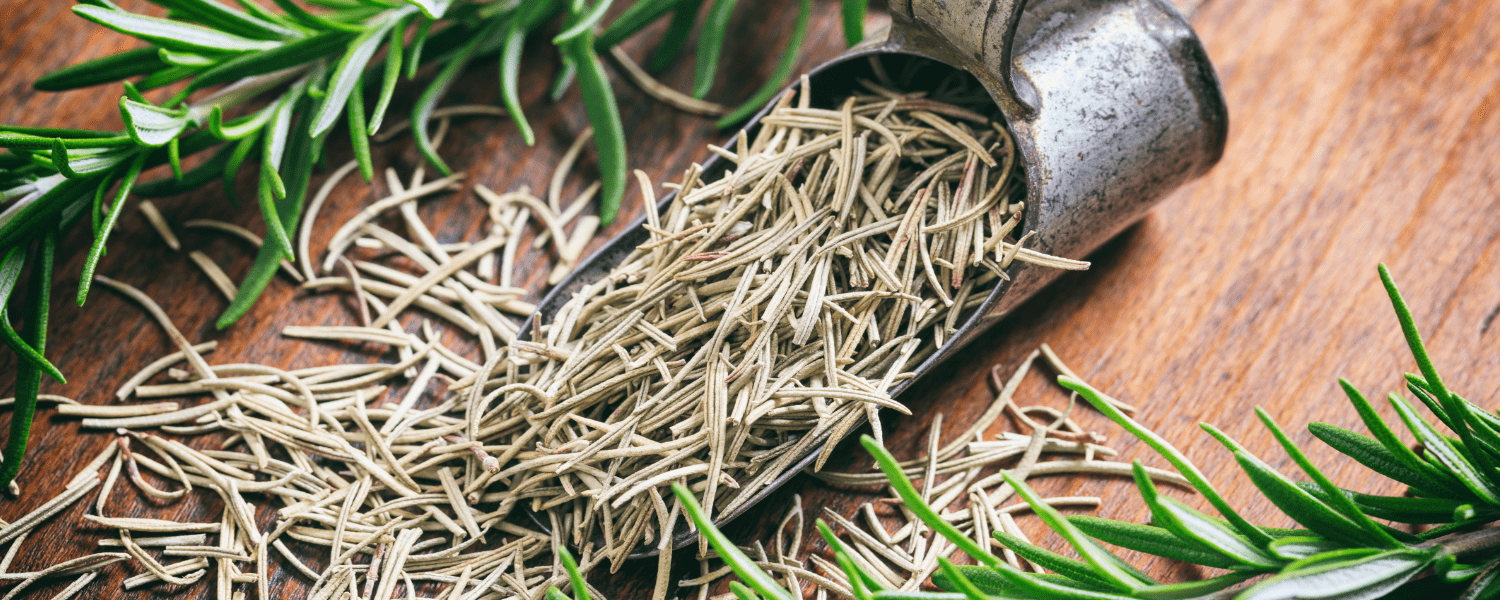
Rosemary has been prized as an aromatic and medicinal plant for centuries. Modern science has confirmed that it is not only a spice, but also a source of valuable bioactive compounds. One of the most important raw materials extracted from this plant is rosemary extract, which is widely used in dietary supplements, cosmetics, food industry and pharmacy. Of particular interest is the carnosic acid it contains, known for its strong antioxidant properties.
What is rosemary extract?
Rosemaryextract is a concentrated form of active substances isolated from rosemary leaves. Unlike the dried herb, the extract contains a much higher concentration of valuable compounds, such as phenolic diterpenes (including carnosic acid and carnosol), flavonoids and essential oils.
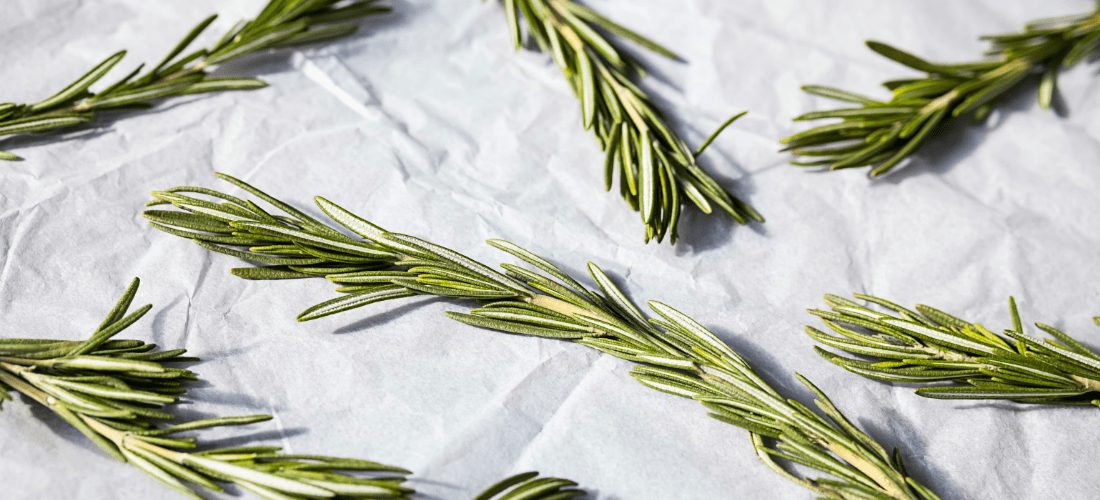
Rosemary is an evergreen shrub belonging to the light family. It naturally occurs in the Mediterranean region. The plant prefers a warm, dry climate and well-sunny sites, which promotes the accumulation of a large amount of aromatic and bioactive compounds in its leaves. The distinctive, narrow leaves with an intense fragrance and small, mostly blue-purple flowers make rosemary easily recognizable and readily cultivated for both utilitarian and ornamental purposes.
For centuries, rosemary has been valued in folk medicine as a plant that supports digestion, circulation and concentration. In ancient times it was also attributed symbolic significance – it was associated with memory, vitality and protection. Modern research confirms that its leaves are a rich source of essential oils, polyphenols, flavonoids and phenolic diterpenes, which are responsible for a wide spectrum of biological properties.
How is a high-quality rosemary extract made?
The extraction process begins with careful selection of the plant material. Most often, leaves harvested during the period of the highest content of active substances are used. Then they are subjected to drying and extraction – using aqueous solvents, alcoholic solvents or modern methods such as CO₂ extraction. The goal is to obtain a stable, safe and bioactive-rich final product.
Carnosic acid – the primary active ingredient
One of the most important compounds present in the extract is carnosic acid. It is a natural antioxidant belonging to the group of phenolic diterpenes. Its unique chemical structure allows it to effectively neutralize oxygen free radicals, which are responsible for oxidative stress and accelerated cell aging.
Carnosic acid has a protective effect on lipids, proteins and cellular DNA. Importantly, it shows high stability compared to other plant-derived antioxidants, making it ideal as an ingredient in preparations with a long shelf life.
Antioxidant and health-promoting properties – what to look out for?
The most valued properties of rosemary extract are due precisely to the presence of carnosic acid. The compound supports the body’s natural defense mechanisms, helping to protect cells from oxidative stress. Studies indicate that regular use of preparations containing rosemary extract can support the proper functioning of the nervous, cardiovascular and immune systems.
The results of a number of studies confirm that rosemary extract exhibits a broad spectrum of biological activity, including protective effects on the liver, antifungal and insecticidal properties, as well as strong antioxidant and antibacterial effects. In addition, the extract exhibits anti-inflammatory effects and can support detoxification processes. For this reason, it is readily used in dietary supplements aimed at active people subjected to intense physical exertion or stress.
Rosemary extract – use in cosmetics
The wide application of rosemary extract also extends to the cosmetic industry. Thanks to its antioxidant and protective properties, it is used in anti-aging creams, face serums and hair care preparations. It helps protect the skin from the negative effects of environmental factors, such as UV radiation and air pollution.
In hair products, rosemary extract promotes microcirculation of the scalp and can help strengthen hair follicles. An additional advantage is its natural origin, which fits perfectly into the trend of “clean beauty” cosmetics.

Food and other industries
Rosemary extract has also found a permanent place in the food industry. It is used as a natural preservative, protecting fats and oils from oxidation. As a result, it extends the shelf life of products without the need for synthetic additives. It is this function that makes it readily used in the production of functional foods and supplements.
In addition, rosemary extract is used in pharmaceuticals and in feed production, where it supports the stability of formulations and improves their quality.
Standardization and quality of raw material
In the context of professional applications, standardization of extracts is of great importance. Products with a certain content of carnosic acid ensure predictable performance and safe use. Therefore, more and more manufacturers are reaching for standardized extracts that meet strict quality standards.
Wholesale extracts are also available on the market for manufacturing companies and laboratories that need raw materials in larger quantities. This form of distribution allows the flexibility to tailor the composition and concentration to a specific project, whether it is for dietary supplements, cosmetics or functional foods. On the FDCM platform with you will find rosemary extract 20% of high quality.
The natural power of rosemary – one extract, many application possibilities
Rosemary extract is a versatile, natural raw material with documented antioxidant activity. Thanks to its carnosic acid content, it stands out for its high effectiveness and stability, making it a valuable ingredient in many modern products. Its wide range of applications – from health to cosmetics to the food industry – makes it remain one of the most versatile plant extracts available on the market.