


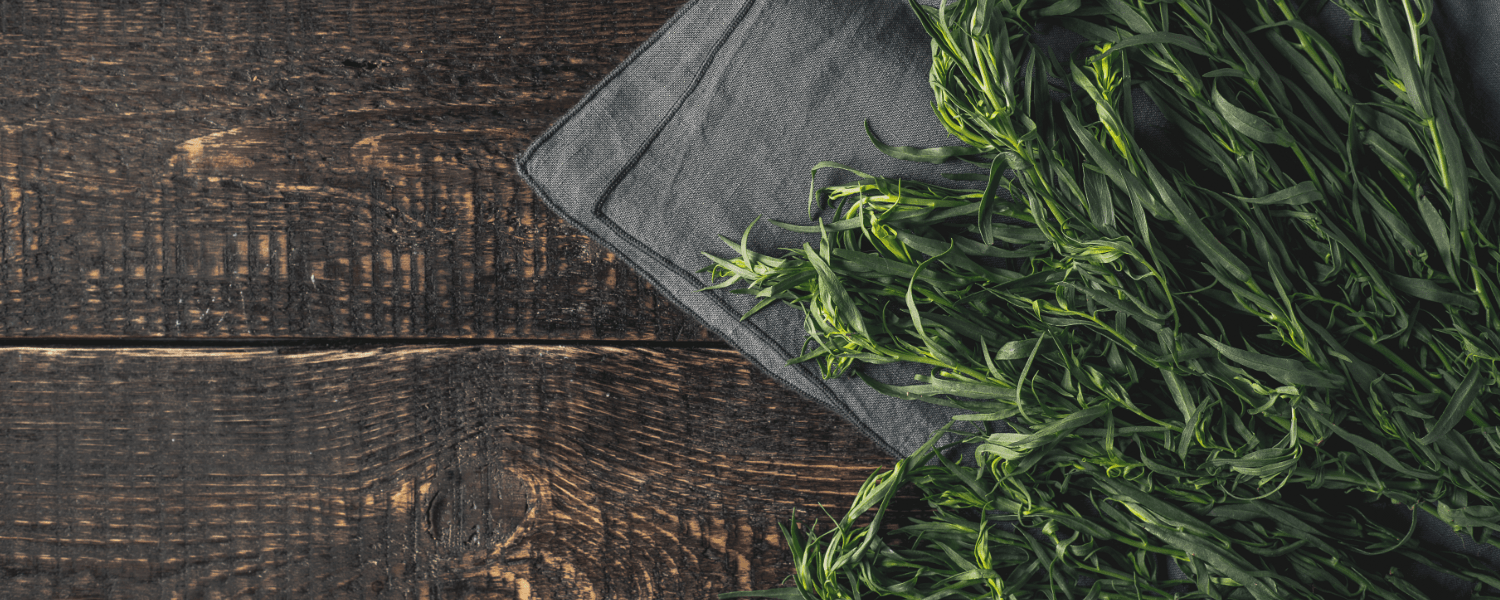
Tarragon is an herb with a distinctive aroma that has been valued for centuries in the cuisines of the world, natural medicine and in the cosmetic industry. Its characteristic, slightly aniseed flavor makes it capable of transforming even the simplest dish into a culinary masterpiece, and its wealth of properties makes it widely used also outside gastronomy.
Where does tarragon come from and how is it obtained?
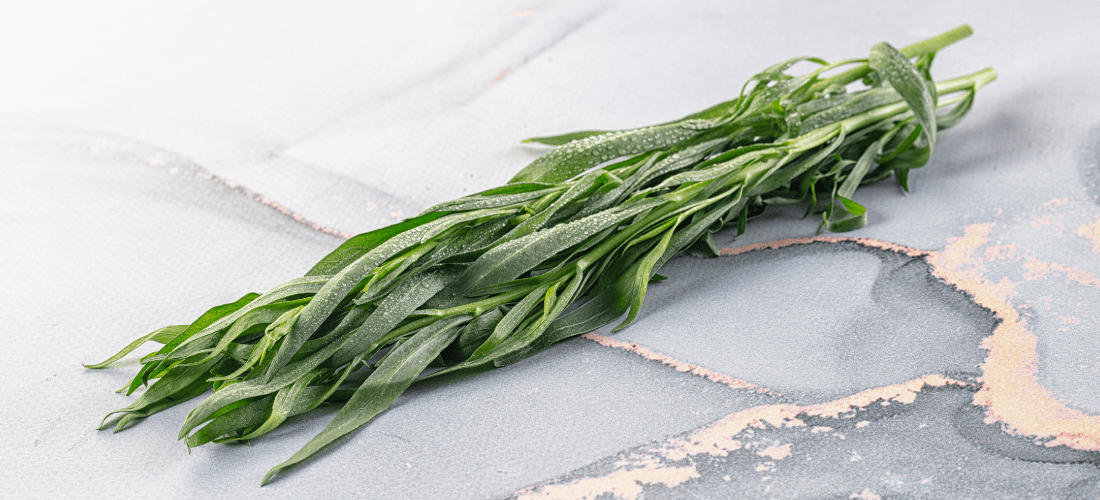
Tarragon(Artemisia dracunculus) is a perennial herbaceous plant included in the aster family. Two main types of tarragon are best known: the French, with a more intense aroma, and the Russian, which has a milder taste. The plant is naturally found in areas of Europe and Asia, and today is also grown in many regions with mild climates, where it is provided with adequate light and fertile, well-drained soil.
The extraction of tarragon is done by harvesting fresh leaves and stems in summer, when the content of essential oils is highest. After stripping, the leaves are dried in the shade or in special dryers to preserve as much of the aroma and nutritional value as possible. Such dried tarragon goes for further processing as a spice raw material to a place such as a raw material wholesaler – either in the form of whole leaves or after grinding.
Tarragon is characterized by a high content of aromatic compounds, especially estragole, which is responsible for an intense, slightly sweet aroma with a hint of anise. Essential oils not only give the spice its flavor, but also influence its properties.
Why is tarragon so valued? Natural properties of the herb
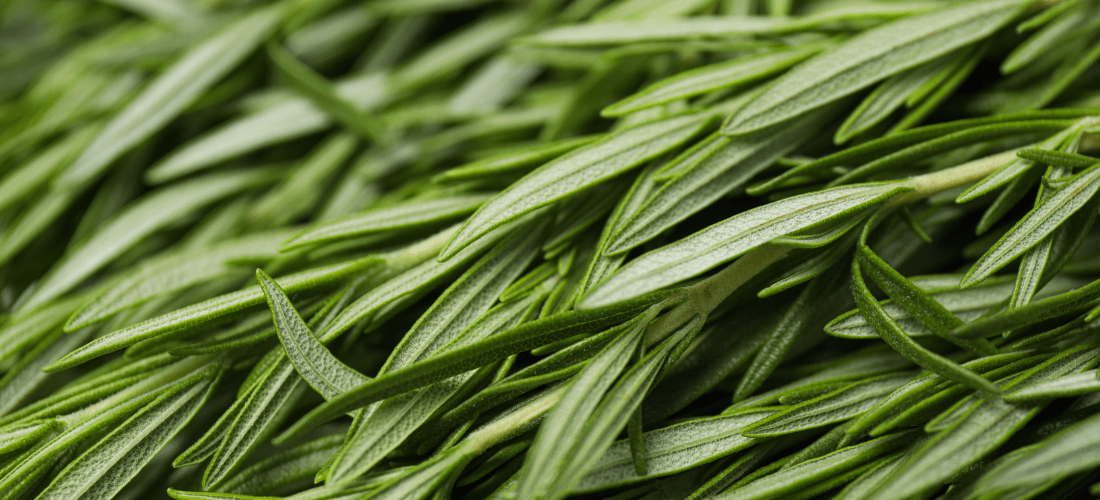
Tarragon is not just an aromatic spice – it is a plant with a wide spectrum of beneficial properties. In traditional folk medicine, tarragon was sometimes used to support digestion, relieve some stomach ailments or help stimulate appetite. The presence of essential oils and bioactive compounds makes tarragon exhibit a mildly diastolic effect, which supports digestive comfort after heavier meals.
The aromatic properties of tarragon also have a relaxing effect – in aromatherapy its oils are sometimes used to create calming and relaxing compositions. Tarragon is rich in natural substances that have an antioxidant effect. This means that they help the body deal with free radicals and oxidative stress. This is why tarragon has found its place in many cuisines, dietary supplements and natural cosmetics.
Where does tarragon perform best? Use in the kitchen and beyond
Tarragon has a very wide range of uses and is increasingly appearing not only on plates, but also in other consumer products. It is best known as a spice – it goes well with meat, fish and vegetable dishes. It is one of the staple herbs of French cuisine – especially in sauces, dips and herb blends. Tarragon adds a slightly spicy note to chicken and veal dishes, stewed fish and creamy sauces.
In modern cuisine, tarragon is also used to flavor herbal vinegars, marinades and even herb butter. Its aroma blends well with lemon, garlic, white pepper and olive oil to create flavor compositions that highlight the natural character of ingredients.
In addition to culinary, its use extends to the cosmetics industry, where tarragon in the form of extract or oils is used in skin care products – especially those dedicated to tired or demanding skin. Thanks to its aromatic properties, tarragon is an attractive ingredient in aromatherapy products – as a base note in fragrance compositions.
In some wellness products and dietary supplements, tarragon extracts are used as a natural support for the digestive system or as an aromatic additive that improves the flavor of herbal compositions.
Wholesale purchases of tarragon – comprehensive supply
For companies and entrepreneurs who need tarragon in larger quantities, it is important to find a partner that offers a stable supply and the ability to buy in bulk. With large orders, the quality of the raw material, the form and timely logistics are important. FDCM ‘s professional spice wholesaler gives entrepreneurs an operational advantage: confidence in the origin of the spice and constant access to products in the required quantity.
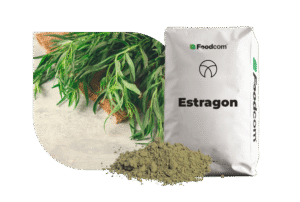
Estragon in ground form
Processed forms, such as ground tarragon, make it even easier to add aroma and flavor to food products. Ground tarragon is particularly desirable in production processes where uniform flavor distribution throughout the product batch is required.
It is ideal for use in ready-to-use herb blends, meat seasonings, instant sauces, salad dressings, as well as in ready-to-eat products, where it is important for the flavor to be evenly distributed.
Cosmetics industry
Although we associate tarragon primarily with cuisine, its aroma and natural oils are also important in cosmetics. Tarragon extracts can be found in bath products, lotions or massage oils, where their aromatic and relaxing properties are used. Natural botanical ingredients are in high demand in the cosmetics industry, as consumers increasingly turn to products with a distinct, natural fragrance profile and a simple formulation.
Estragon can also be an ingredient in aromatherapy preparations that affect mood through fragrance – the warm, herbal aroma has a soothing effect and promotes relaxation.
Storage of tarragon
In order for tarragon to retain its properties and intense aroma, proper storage is important. Dried herbs should be kept in an airtight container, in a dry and dark place, away from moisture and high temperatures. Ground tarragon is stored for a shorter period of time than dried whole leaves, as the fine particles lose their fragrance intensity more quickly.
An aromatic raw material with versatile uses
Tarragon is a spice that, thanks to its rich aroma and natural properties, has found a wide range of applications in many industries – from cuisine and gastronomy, through the production of supplements, to cosmetics and aromatherapy. Its distinctive flavor enriches dishes, and its natural ingredients make it a valuable addition in both food products and cosmetics.
Oregano combines tradition and modernity: aromatic leaves added to a dish evoke French cuisine, and in the form of an extract or aromatic additive it finds use in wellness products and cosmetics. Its versatility continues to make it one of the most valuable spice raw materials.