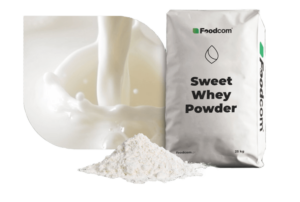



Whey is a by-product of cheese production that has gained immense popularity in recent years in the world of healthy eating and sports. Although initially treated as dairy waste, today it is valued for its unique nutritional properties, high protein content, and easy digestibility. It is not only a source of valuable amino acids, but also supports muscle regeneration and improves the functioning of the immune system.
Types of whey – concentrate, isolate, and hydrolysate
Among the most commonly used forms of whey, there are three basic types: whey protein concentrate, whey protein isolate, and hydrolysate. Each of them has its own specific properties that determine its use in diet or supplementation.
Whey protein concentrates are characterized by a high protein content (usually 70-80%), but also contain small amounts of lactose and fat. It is versatile, relatively inexpensive, and ideal for people who want to enrich their diet with valuable protein.
Whey protein isolate is a purified form with an even higher protein content (usually 90% or more) and almost no fat or carbohydrates. This makes it easier for the body to digest and absorb, which is why it’s a popular choice among athletes and fitness enthusiasts.
Whey protein hydrolysate is a form of protein that has undergone preliminary enzymatic hydrolysis, which means that the proteins are broken down into smaller peptides. The result is very rapid absorption by the body, minimal risk of allergies, and optimal support for muscle regeneration after intense exercise.

Properties of whey
The characteristics of whey make it valued both in sports and in everyday diets. It contains all the essential amino acids, including BCAAs, which support muscle recovery after training. It also supports the immune system thanks to its content of lactoferrin, immunoglobulins, and other bioactive peptides. In addition, whey products can help control body weight, improve metabolism, and promote healthy bones thanks to their calcium content.
In practice, whey powders are also often used. They can be easily added to protein shakes, porridge, or baked goods. Regular use of whey-based products not only supports muscle mass building, but also overall well-being and vitality.
The practical application of whey
Whey has a wide range of applications in various fields, from sports supplementation and weight loss diets to functional products for general health. Popular forms include whey protein concentrates, which are ideal for everyday diets, as well as WPC 80, a source of complete protein for physically active people. Isolates and hydrolysates are particularly popular among athletes who need rapid muscle recovery after intense training.
Whey is also used in the food industry as an additive to protein bars, nutritional drinks, and functional snacks. Thanks to the variety of forms and availability of products, it can be tailored to individual needs, both at home and in professional supplementation.
Whey – comprehensive support for health and fitness
Whey is distinguished not only by its high protein content, but also by the presence of bioactive peptides, which have a beneficial effect on the cardiovascular system. Some studies indicate that regular consumption of whey may help lower blood pressure and regulate cholesterol levels. As a result, the product not only supports anabolic processes in muscles, but may also contribute to better functioning of the circulatory system.
In addition, whey contains natural antioxidants, such as glutathione, which help neutralize free radicals in the body. Protecting cells from oxidative stress is important not only for maintaining a youthful appearance of the skin, but also for the proper functioning of the entire body. People who consume whey regularly may notice an improvement in energy and resistance to fatigue.
In the context of weight control, it is also important to note that whey promotes a feeling of satiety. Protein slows down gastric emptying and supports the regulation of hunger hormones such as ghrelin. In this way, incorporating whey into your daily diet helps you maintain a healthy weight and reduces snacking between meals.
How does whey affect bones?
Its bone health benefits should not be overlooked either. Whey, which is a source of easily absorbable calcium and phosphorus, contributes to maintaining bone density and proper mineralization. This is particularly important for physically active people, postmenopausal women, and older people, who are more prone to osteoporosis.
Thanks to its wide range of effects, whey is becoming a universal product – not only for athletes, but also for people who care about a healthy diet, immunity, weight control, and cardiovascular health. As you can see, adding whey powders or whey protein concentrates to your daily diet can bring multidimensional benefits to your health, well-being, and physical performance.
Where can you find high-quality whey products?
The FDCM.eu platform offers a wide selection of high-quality whey-based products, including concentrate, isolate, and hydrolysate. The products available on the platform are carefully selected, allowing you to safely and effectively enrich your diet with valuable protein. This way, both beginners and advanced athletes can find products perfectly suited to their needs.

Whey in your diet – how to use its potential?
Whey is a valuable component of your diet, which, thanks to its properties, supports muscle regeneration, improves the functioning of the immune system, and facilitates weight control. Choosing the right type allows you to tailor supplementation to your individual needs.
The above properties make whey an invaluable support in your daily diet – it helps to take care of your muscles, immunity, and proper body weight, and regular use can contribute to improving your overall physical condition.