


Anise is one of those spices that have been accompanying humans for centuries, both in the kitchen and in natural methods of promoting health. It is characterized by an intense, slightly sweet aroma reminiscent of licorice and a unique appearance – especially in the case of star anise. Its rich composition and versatile nature make aniseed used in many industries: food, cosmetic, herbal and pharmaceutical.
What is anise and what are its varieties?
Under the term “anise” are two different plant raw materials that share a similar aroma and flavor profile. The first is the poor anise(Pimpinella anisum), an annual plant native to the Mediterranean and Middle Eastern regions. Its fruits, often commonly called seeds, are small, oblong and light brown in color. They are the ones that have been used for centuries as a spice and herbal raw material.
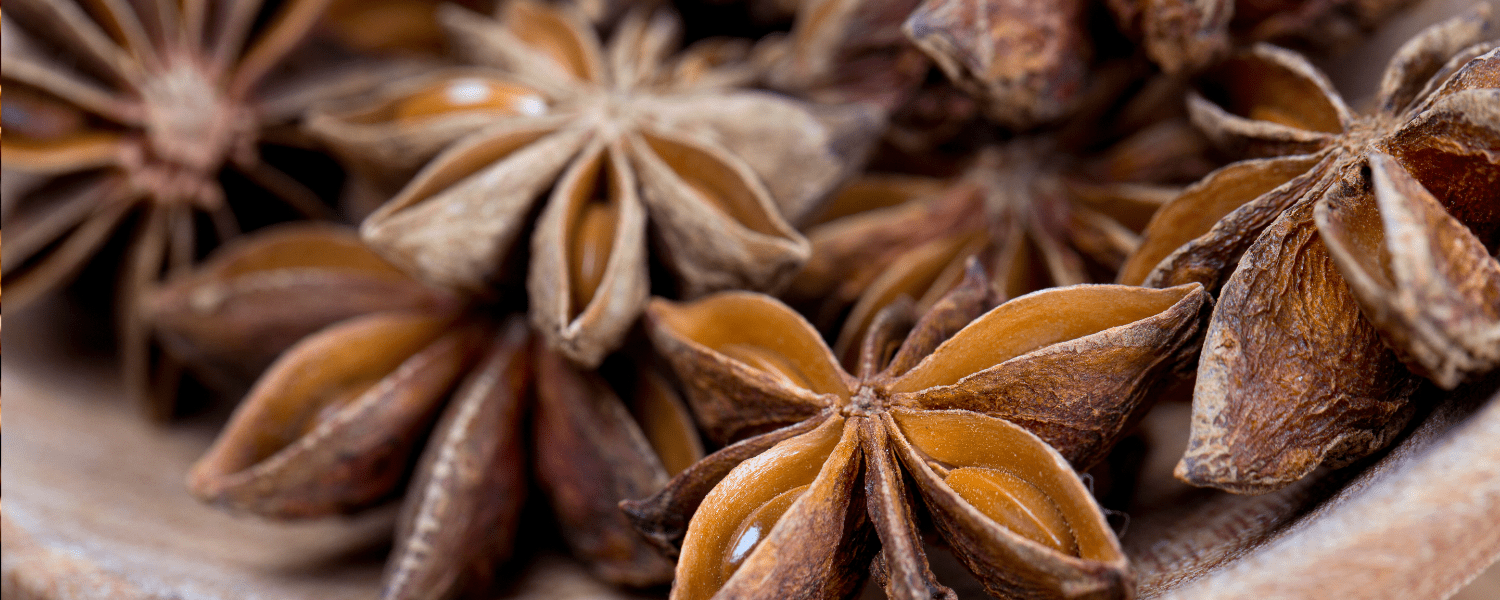
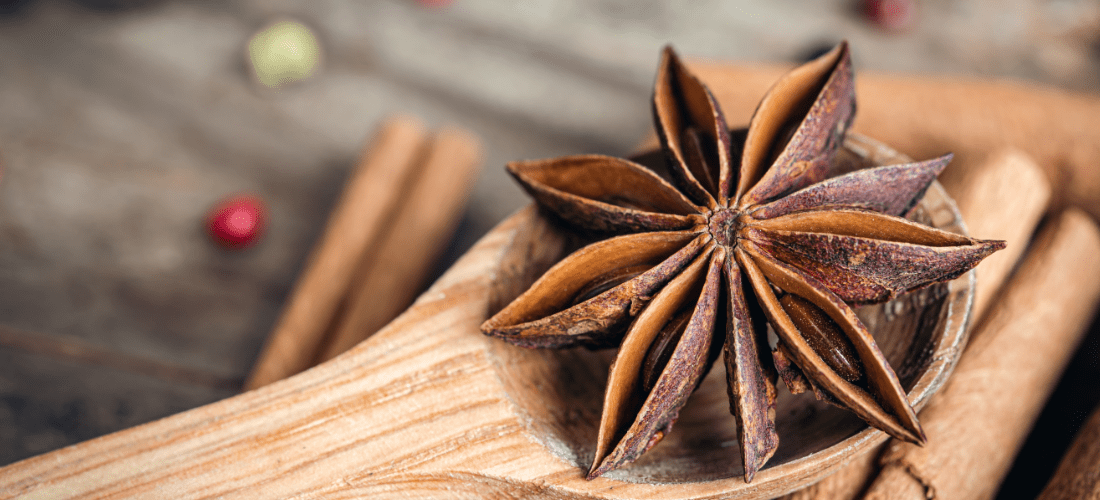
The second variety is star anise (Illicium verum), native to Southeast Asia. Its fruit takes on a distinctive star shape, making it one of the most recognizable spices in the world. Despite their similar aroma, lady’s anise and star anise are different plants and should not be botanically confused with each other.
Harvesting and processing anise
The extraction of star anise requires specific climatic conditions and many years of cultivation of the trees from which the raw material comes. Star anise is the fruit of a tree from the magnolia family, growing mainly in regions of Southeast Asia, where the climate is warm and humid. Trees begin to bear fruit after only a few years, and reach full yield at maturity, making the cultivation of star anise a long-term process that requires experience.
The fruits are harvested by hand, usually when they are still green and unripe. It is this stage that is most important for preserving the intense aroma and high content of essential oils. After harvesting, the fruit undergoes natural drying, usually in the sun or in well-ventilated drying rooms. During this process, the star fruit gradually darkens and hardens, acquiring its characteristic brown color and distinctive aroma.
Proper drying is of paramount importance for the quality of the final product, as too rapid or uneven evaporation of moisture can lead to loss of aroma or reduced flavor. Properly dried star anise retains an intense, slightly sweet aroma and can be used both whole and as ground anise. Dried anise prepared in this way is then sent for sorting, where full-flavored fruits are separated from damaged ones.
The quality of star anise is also affected by how it is packaged and stored. The raw material should be protected from moisture, light and high temperatures so that it does not lose its aromatic properties. Only at this stage can star anise be destined for further processing, distribution or use in various industries, such as catering, food or cosmetics.
Properties of anise – what makes it so valued?
The most important properties of anise are due to the presence of essential oils, the main component of which is anethole. It is he who is responsible for the characteristic smell and taste of the spice, as well as for its wide use. Anise is known for its digestion-supporting effect, which is why it has been used for centuries in the kitchens of the world as an addition to heavier dishes.
Traditionally, anise was also used as an ingredient in herbal infusions and blends. Its aroma is sometimes used in products that improve digestive comfort, as well as in preparations with warming and relaxing effects. Thanks to its natural origin, anise is still popular today among supporters of herbal products.
The use of anise in the kitchen
One of the most well-known areas where anise finds use is in gastronomy. In Asian cuisine, star anise is an integral part of many traditional dishes, broths and marinades. Its intense aroma goes well with meat, fish and root vegetables.
More common in European cuisine is poor anise, used in baked goods, desserts, compotes and drinks. Anise adds a distinctive spicy note to dishes and often appears in holiday recipes. As a spice, it works well both ground and whole.
Anise in cosmetics and fragrance industry
Anise has also found a permanent place in cosmetics. Anise oils are prized for their intense, natural fragrance, so they are used in the production of soaps, lotions, creams and perfumes. The aroma of anise is described as warm and calming, making it popular for use in relaxation products.
Thanks to its aromatic properties, anise is also used in aromatherapy and in the scented candle industry. Its distinctive note blends well with other spices and plant oils.
Anise in other industries
In addition to cooking and cosmetics, anise is used in the production of dietary supplements, functional teas and herbal blends. In the food industry, it is also used as a natural flavoring for beverages and confectionery. Thanks to its recognition and versatility, anise is a raw material readily used in both artisanal and larger-scale production.
Where to buy high-quality aniseed?
Operators in the food, cosmetics or processing industry who are considering where to buy aniseed should pay special attention to the stability of supply, the quality of the raw material and the possibility of buying in larger volumes. Of fundamental importance is the origin of the spice, batch uniformity and proper packaging and storage conditions.
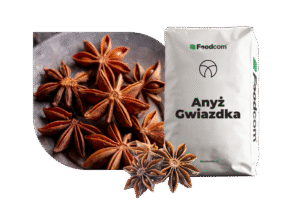
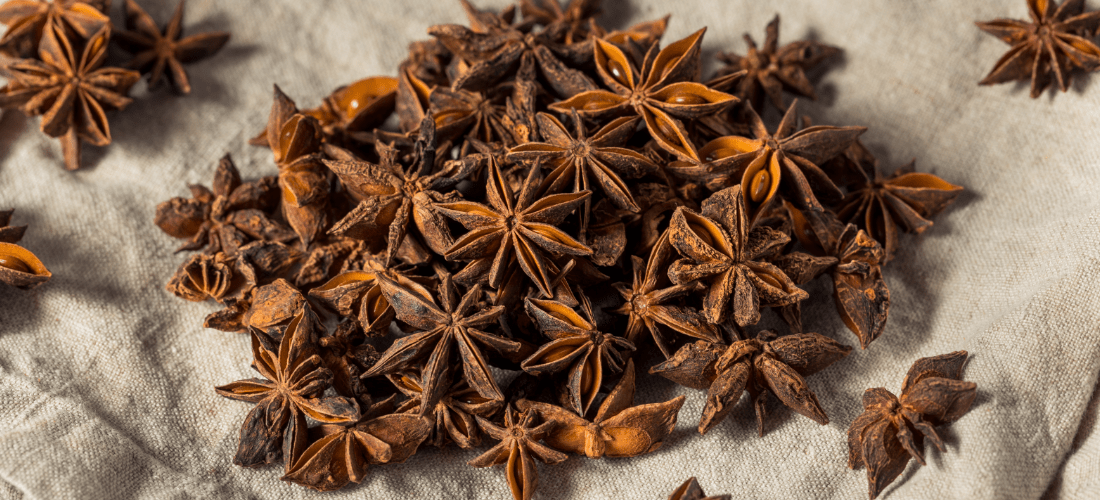
Anise available for wholesale in the FDCM online store comes in various forms – as whole raw material and ground anise – which allows you to match the product to specific technological processes and production needs. You can also find other wholesale spices there, which facilitates the comprehensive supply of companies with high-quality spice raw materials.
How to store anise so that it retains its properties?
In order for anise to retain its aromatic properties for as long as possible, it should be stored in an airtight container, away from light and moisture. Glass or metal containers work best. Ground anise is worth using up sooner, as it loses its aroma intensity over time.
Flavor that combines tradition with modern application
Anise is a spice with an extremely rich history and a wide range of uses. It is distinguished by its intense aroma, versatility and the presence of valuable natural components. It works well in the kitchen, in cosmetics, in fragrance products and in many other industries.
Easy availability and a variety of forms mean that anise remains to this day one of the most versatile spices that can be successfully used in both domestic and professional applications.