


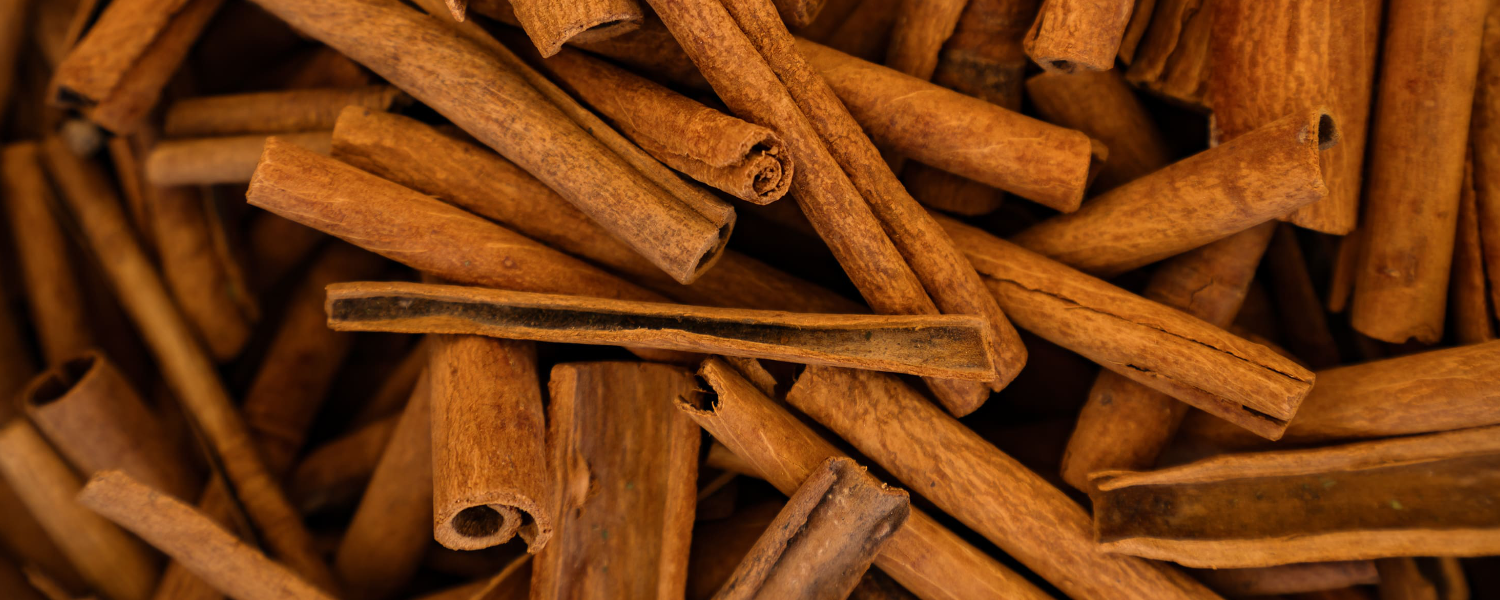
Cinnamon has for centuries been regarded as one of the most valuable spices, and its fragrance evokes associations with exoticism, wealth and tradition. The small, brown bark conceals the long journey from plantation to the finished product, which finds its way into kitchens, cosmetics and laboratories.
Where does cinnamon come from?
Cinnamon is the dried bark of a tree known as the cinnamon tree, which belongs to the Cinnamomum genus. The most commercially valued species is Cinnamomum verum, or Ceylon cinnamon, which is native to what is now Sri Lanka, formerly known as Ceylon. It is the country of origin that largely determines the quality, aroma and value of the spice, as other species of this tree also grow in India, Indonesia, Vietnam or China, but differ in their content of essential aromatic compounds.
Cinnamon tree is an evergreen tree growing up to 10 – 15 meters, but in plantations it is kept much lower to facilitate harvesting and to stimulate the growth of young shoots, from which the best quality bark is obtained. Suitable soil, humidity, intense sunlight and Sri Lanka’s tropical microclimate make this the region where the raw material, considered the purest and finest, comes from.
Properties of cinnamon
The richness of the aromatic compound cinnamaldehyde, as well as the presence of flavonoids, essential oils and antioxidants, make Ceylon ground cinnamon enjoy unique properties. In traditional Asian medicine, it was used as a warming agent, digestive aid and disinfectant. Modern science is examining these uses, studying antioxidant potential, antimicrobial potential and effects on glucose metabolism, among others.
It’s important to remember that it’s the species that makes all the difference. That’s why Ceylon cinnamon is considered safer and more delicate in taste than the cassia variety, which contains a higher concentration of coumarin – a compound whose excessive consumption can be detrimental.
The art of harvesting the bark of the cinnamon tree
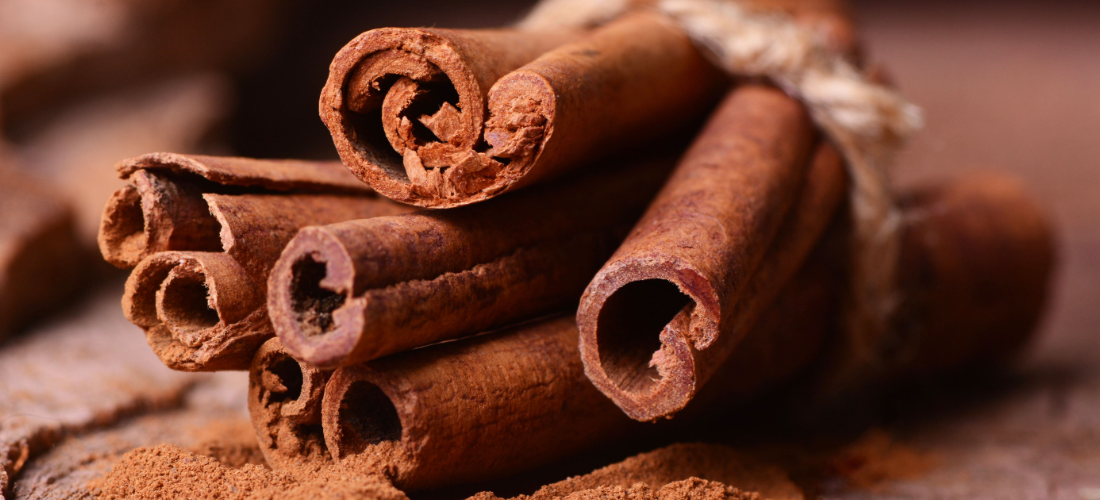
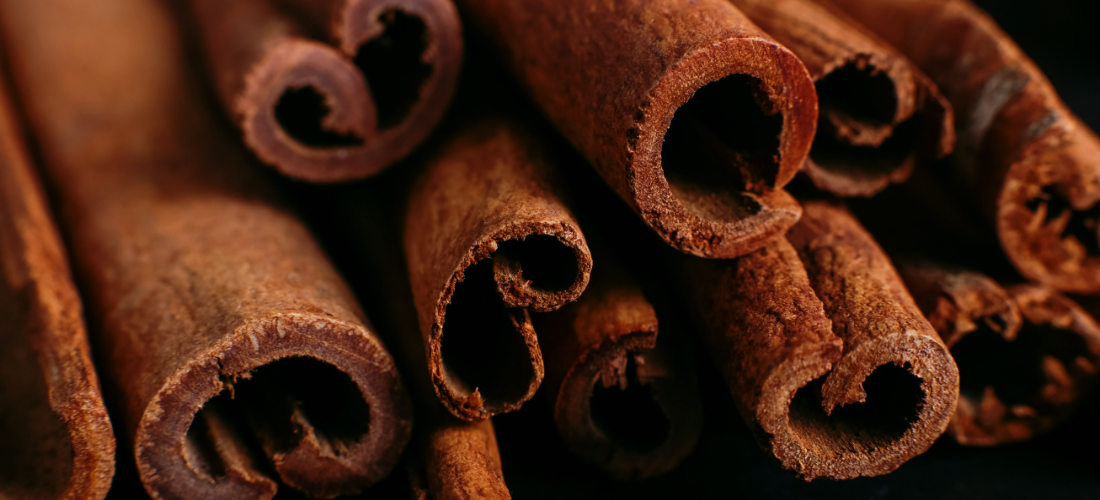
The process of harvesting cinnamon is much more complex than you might think. The highest-grade product comes from young shoots, which are cut several times a year. Immediately after harvesting, a plantation worker makes delicate incisions in the bark, separating its thin layers from the woody core. The bark rolls up naturally into rolls, which twist even more tightly during drying to form the characteristic spice canes.
In the case of Ceylon cinnamon, it is important that the layers are as thin as possible – the finer the rolled bark, the higher the quality of the product. It is the labor-intensive nature and lack of machine automation that give the spice its luxurious character, and the growers require years of experience. In other countries, the production process may look slightly different, especially for cassia cinnamon, whose bark is thicker and harder.
Drying, sorting and further processing
After the bark is separated from the shoots, the most important stage comes – drying. This is when the cinnamon loses moisture, takes on a color from golden to deep brown and develops its characteristic aroma. Drying is usually done in the shade, in airy rooms, to avoid losing essential oils too quickly.
The next step is sorting. The sticks are bundled together according to length, thickness and quality, and then destined either for resale whole or for grinding into powder. Grinding is done at a low temperature to preserve as much of the aromatic substances as possible, including cinnamaldehyde – the main compound responsible for the aroma and flavor.
Uses of cinnamon in various industries
Thanks to its intense aroma and range of properties, cinnamon is used much more widely than just in gastronomy. Of course, in the kitchen it is one of the most popular spices. It is an important ingredient in desserts, drinks, but also blends well with meat dishes and sauces. As a natural product, it is also readily purchased by manufacturers offering spices in bulk.
In the cosmetics industry, it is mainly used in oils, perfumes, warming lotions or scrubs, where it acts as a flavoring agent and a substance that improves microcirculation. In pharmacy and supplementation, cinnamon is an ingredient in extracts, capsules and digestive aids.
In the chemical industry it is used in the production of flavors, fragrances or deodorizers. Its intense, recognizable note lends character to fragrance and flavor compositions, making cinnamon one of the world’s most versatile spices.
Cinnamon in the context of modern food production technologies
The use of cinnamon is constantly growing, driven by the global demand for natural raw materials with a wide range of effects. Manufacturers of food, cosmetics or pharmaceuticals are increasingly emphasizing the origin of plants, harvesting methods and cultivation traditions. In the age of automation and artificial intelligence, the return to natural raw materials is becoming both a quality and marketing strategy.
Ceylon cinnamon, with its unique sensory qualities, plays a special role here. Its thin sticks and high content of essential oils make it the choice of premium producers who value subtlety and purity of aroma.
Logistics, storage and quality control
Proper storage is necessary for cinnamon to retain its properties. The raw material is sensitive to moisture, light and high temperatures. In the process of transportation, especially international transportation, special moisture-absorbing materials and airtight packaging are used to protect the essential oils from volatilization.
At plantations and processing plants, great emphasis is placed on quality control – grading by species, degree of drying, length of sticks and purity of the raw material. These factors affect both the price and the final aromatic profile. Modern laboratory tests also include analysis of coumarin content and microbiological evaluation.
Cinnamon in international trade
In global trade, cinnamon is one of the important spices exported by tropical countries. Sri Lanka remains the leader in the production and export of Ceylon cinnamon, although Indonesia, Vietnam and China also have significant market shares. Modern logistics allow for rapid delivery in both stick and powder form, as well as oil extracts used by the food industry.
The increase in demand for natural ingredients is influencing the development of plantations and the promotion of the origin of the raw material. For many companies, it is important to highlight the country of origin, especially the fact that their spices come from Ceylon, which is associated with the highest quality. On the FDCM.eu platform you will find many proven raw materials, including numerous spices, such as high-quality Ceylon cinnamon.
Cinnamon – tradition, quality and taste
Cinnamon is one of those products whose value goes far beyond the kitchen. It is a raw material with rich uses, full of tradition, unique properties and complex production processes. From the plantation in Sri Lanka, to the manual separation of the bark, to the global trade, its path is fascinating and full of history, which can be felt in every aromatic gram.
In a world of growing interest in natural ingredients, cinnamon remains not only a spice, but also a symbol of quality and the craftsmanship of producers who for generations have ensured that its taste and aroma remain consistently unique.