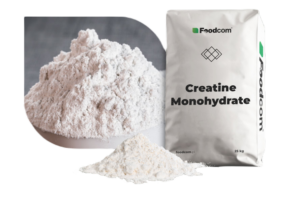




Creatine is one of the most popular dietary supplements in the world, valued by athletes and people who care about their overall health and physical condition. How does it work, how is it produced, and what is creatine made of? Learn about the two most commonly used types of this supplement – creatine monohydrate 80 mesh and creatine monohydrate 200 mesh. How do they differ and in which industries are they used?
Natural fuel for muscles – how does creatine work?
The mechanism of action of creatine in the body is very well understood. After ingestion, this chemical compound is transported to muscle cells, where it combines with a high-energy phosphate group to form phosphocreatine. This, in turn, serves as a quick energy reserve, enabling the rapid renewal of ATP (adenosine triphosphate), the basic energy molecule in the human body.
At times of high energy demand, such as during intense physical exercise, the body can use an additional “energy boost.” The result is:
- improved strength and speed,
- increased training intensity,
- reduced muscle fatigue,
- better recovery between exercise sets.
Creatine not only supports physical performance, but also, as research shows, has a positive effect on cognitive function, mood, and memory.
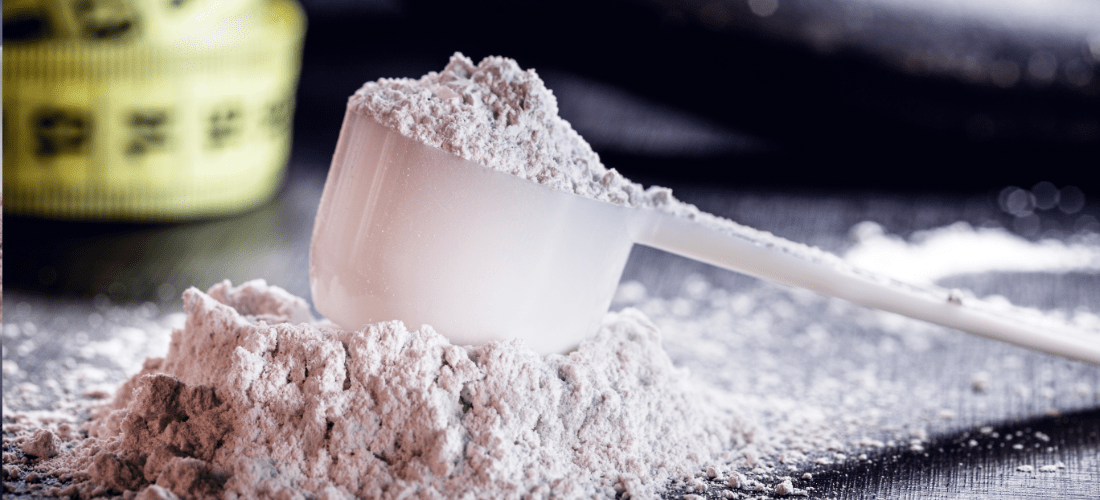
What is creatine made of? A few words about chemistry
What is creatine made of and how is it naturally produced in the body? It is an organic compound synthesized from amino acids – arginine, glycine, and methionine. Physiologically, production occurs mainly in the liver and kidneys, and then creatine is transported to the muscles, where it acts as an energy carrier.
From a chemical point of view, creatine is methylguanidine acetic acid, a compound that plays a fundamental role in cellular energy metabolism.
What is creatine supplementation made from and how is it produced?
In supplements, creatine does not come from animal tissues. So how is it produced industrially? Mainly through chemical synthesis using plant or synthetic raw materials, which ensures high pharmaceutical purity and high quality of the final product.
What is creatine made from on an industrial scale? Most often from cyanoacetic acid and sarcosine – readily available compounds that produce pure creatine after synthesis reactions. The product is then micronized and purified, resulting in various physical forms of powder, e.g., 80 mesh creatine monohydrate and 200 mesh creatine monohydrate.
Technological differences – creatine monohydrate 80 mesh vs creatine monohydrate 200 mesh
Creatine monohydrate is the most classic and best-studied form of creatine supplementation. It consists of one molecule of creatine and one molecule of water. However, there are different fractions of creatine monohydrate, differing in their degree of fineness, known as mesh size. The most popular ones include:
- creatine monohydrate 80 mesh – a fine powder that mixes well with liquids, although it does not always dissolve completely,
- creatine monohydrate 200 mesh – an ultra-fine powder characterized by very high solubility, faster absorption, and no lumps. This makes it popular in instant supplements and premium products.
The choice of the right fraction depends on the intended use and the type of final formula – whether it will be a capsule, drink, shot, bar, or perhaps a sachet.
Properties of creatine
The use of creatine goes far beyond muscle building. Its most important properties are:
- increased strength and muscle mass – through greater training volume and more effective regeneration,
- supporting regeneration – reduction of muscle microdamage,
- improved cognitive function – especially in older or overworked people,
- protection of the nervous system – creatine may have a neuroprotective effect in diseases such as Parkinson’s, Huntington’s, and depression,
- anti-catabolic effect – helps maintain muscle mass during calorie deficit.
Clinical studies have also shown that long-term use of creatine does not cause kidney strain in healthy individuals.
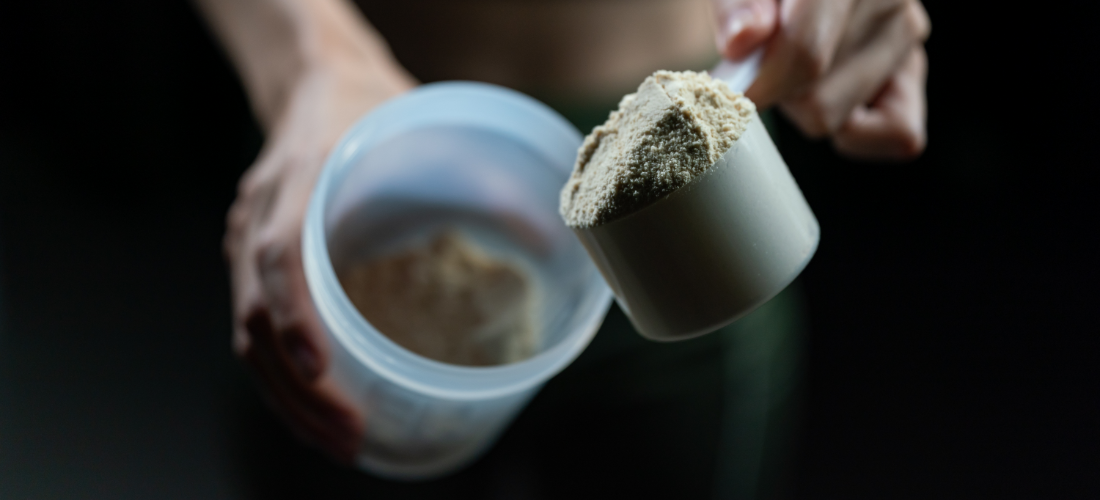
Where to buy creatine at a good price? FDCM.eu, wholesale and samples with delivery
If you are interested in purchasing creatine raw materials for further processing – e.g. for supplements, food products or sports products – check out the wholesale offer at FDCM.eu.
This is a professional online store with food raw materials, offering both 80 mesh creatine monohydrate and 200 mesh creatine monohydrate in bulk packaging. An additional advantage is the possibility of ordering a sample with delivery, which allows you to test the quality and properties of the product before placing a larger order.
This sales model works particularly well in the supplement, pharmaceutical, and functional food industries.
What is creatine used for in practice?
Creatine is not just “fuel for muscles.” In practice, its effects cover a much wider range – from strength training and metabolic health to brain function support. In what situations does creatine really work?● In competitive sports – increased strength, power, and endurance.
- In endurance sports – faster recovery between training sessions.
- In the diet of seniors – maintaining muscle mass and cognitive function.
- In convalescence – supporting recovery after injuries.
- In cosmetics – creatine is increasingly found in cosmetics as a regenerating and nourishing
ingredient.Creatine is therefore a substance with a wide range of applications, finding its place not only in sports supplementation, but also in health prevention, neuroprotection, and diet therapy.
Its properties supporting energy production at the cellular level mean that it can be used by people of all ages and lifestyles – from competitive athletes and amateurs to older people who care about muscle fitness and cognitive function, to patients undergoing rehabilitation or convalescence.
Professional creatine from a reliable source – discover the FDCM.eu offer.
Creatine is one of the most thoroughly researched supplements available on the market. Whether you choose 80 mesh creatine monohydrate or 200 mesh creatine monohydrate, you can count on support for your physical and mental performance and overall health.
However, if you are looking for high-quality creatine in large quantities, with the option of wholesale and samples with delivery, check out FDCM.eu – an online store with food raw materials. It is a place where quality goes hand in hand with availability and a transparent offer for professional customers and manufacturers.