



Choline chloride is one of the most important compounds used in modern animal nutrition. It plays a huge role in fat metabolism, supports the functioning of the nervous system and improves the overall condition of the body. In recent years, more and more attention has been paid not only to its effects, but also to the types, quality and production method of the product.
Properties of choline chloride
Choline chloride is an organic compound that is a salt of choline and hydrochloric acid. It is characterized by very good bioavailability, so the animal’s body quickly and efficiently uses the supplied substance. Pure choline chloride is hygroscopic, but in feed form it binds moisture to a much lesser degree, which makes it easier to dose and store.
The most important properties of choline chloride are:
- high solubility in water and alcohol, which guarantees its even distribution in feed mixtures,
- chemical stability, especially in the granular version,
- beneficial effect on metabolism, mainly fat metabolism and lipid transport in the liver.
Choline chloride in fine or granular form also shows excellent stability during storage, which is important for feed manufacturers.
Choline chloride manufacturing process
The production of choline chloride is a chemical process involving the reaction of trimethylamine oxide with hydrochloric acid. A stable choline salt of high purity is then formed. In the case of feed forms, it is then necessary to properly select a carrier that will provide the product with the right flowability, granularity and stability during storage.
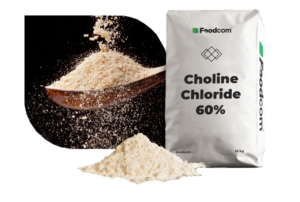
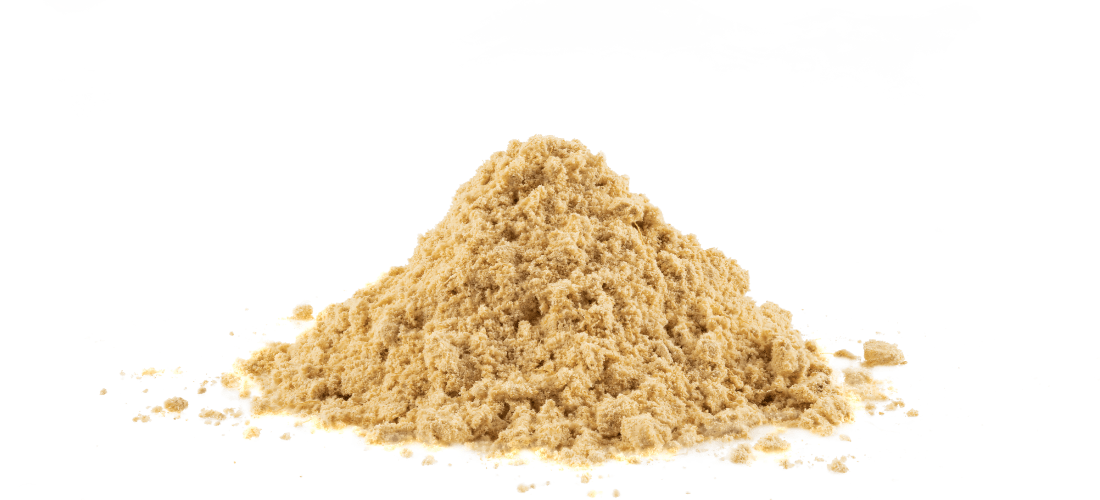
In a version such as choline chloride 60%, the carrier is plant material of cereal origin, most often corn cobs. The additive makes it possible to obtain a powder with a light brown color and a delicate, characteristic smell of choline. The granules are stable, have a medium-fine texture and stand up well to transport conditions and changes in humidity.
The process ends with a quality control, which analyzes the content of pure choline, hygroscopicity, granulation and the degree of chemical purity of the product.
Types of choline chloride and its application
Several types of choline chloride are available on the market, differing in form, level of purity, method of granulation and purpose. The most common types are:
- feed choline chloride powder – is characterized by very good miscibility and a high level of purity. It is often chosen by large feed mixing plants because of its ability to be precisely dosed,
- granular feed choline chloride – the granular form helps reduce dust and improves product stability during transport and long storage. Granules are readily used on farms that focus on convenience of use and cleanliness of the feed production process,
- synthetic choline chloride – used in many areas of the industry, not just feed. It occurs in high purity and is the basis for creating mixtures for various animal species.
All of the above types have one thing in common: their task is to adequately replenish the level of choline, which the animal’s body is unable to produce in sufficient quantities. Choline chloride in specialized vitamin and mineral mixtures is often combined with methionine, vitamin E or other ingredients that support fat metabolism.
Effects of choline chloride in the animal body
Choline chloride plays several important biological roles:
- participates in the metabolism of fats – prevents their accumulation in the liver, which is particularly important in broilers and laying hens,
- supports liver function – participates in the synthesis of lipoproteins so that fats can be properly transported in the body,
- regulates the nervous system – is a precursor of acetylcholine, one of the most important neurotransmitters,
- accelerates the growth and development of animals – improves the utilization of nutrients in feed,
- strengthens immunity – indirectly influences the functioning of the immune system by supporting the condition of internal organs.
Regular use of choline chloride allows breeders to achieve better weight gains, lower herd losses, improved meat and egg quality, and higher lactation efficiency in dairy cattle.
Use of choline chloride in feed production
The widest use of choline chloride is observed in the feed industry. The substance is added to complete feed mixtures, supplementary feeds, vitamin-mineral premixes and preparations for young animals.
The poultry sector uses choline chloride to improve broiler growth rate, laying performance and egg quality. In swine nutrition, the product promotes muscle development, reduces liver steatosis and improves the condition of piglets. In cattle production, on the other hand, it supports the metabolic functions of cows during the periparturient period, reducing the risk of ketosis.
Due to its widespread use, choline chloride is available in bulk, making it possible to purchase in large quantities for production companies.
Quality matters
When choosing feed choline chloride, pay attention to several parameters. Among the most important are:
- percent choline content,
- type of carrier,
- particle size,
- physical stability.
Lower-quality products may be characterized by higher moisture content, dustiness or difficulty in mixing with other feed raw materials. High-quality choline chloride 60% is stable during storage and distinguished by its high bioavailability. You can find high-quality feed raw materials on the FDCM platform.
Key to the health and performance of modern livestock farms
Choline chloride is an indispensable feed ingredient of great importance for the functioning of the liver, nervous system and fat metabolism of livestock. Its properties determine the efficiency of production, and a large selection of types makes it possible to tailor the product to specific needs.
High-quality feed choline chloride is an investment in herd health, better breeding performance and stability of the entire feed production process. Thanks to a precisely developed manufacturing process and controlled physicochemical parameters, the product remains one of the most important feed raw materials in modern agriculture.
specialty products, isoleucine is gaining increasing importance in the world of health and modern supplementation.