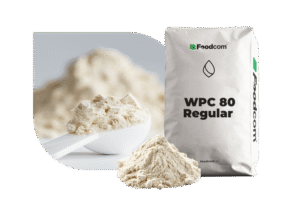


Whey protein concentrate (WPC) is one of the most popular protein raw materials in the food and supplement industries. Manufacturers and distributors usually offer two versions: WPC 80 Regular and WPC 80 Instant. Although both varieties are based on the same type of protein, they differ in functionality, behavior in the technological process, and target applications.
What is WPC 80?
Whey Protein Concentrate 80 (WPC 80) is a whey protein concentrate containing at least 80% protein in dry matter, obtained from whey (after cheese production) through a low-temperature membrane filtration process. As a result, the raw material retains its high biological value and beneficial amino acid profile, which is valued in both functional foods and dietary supplements.
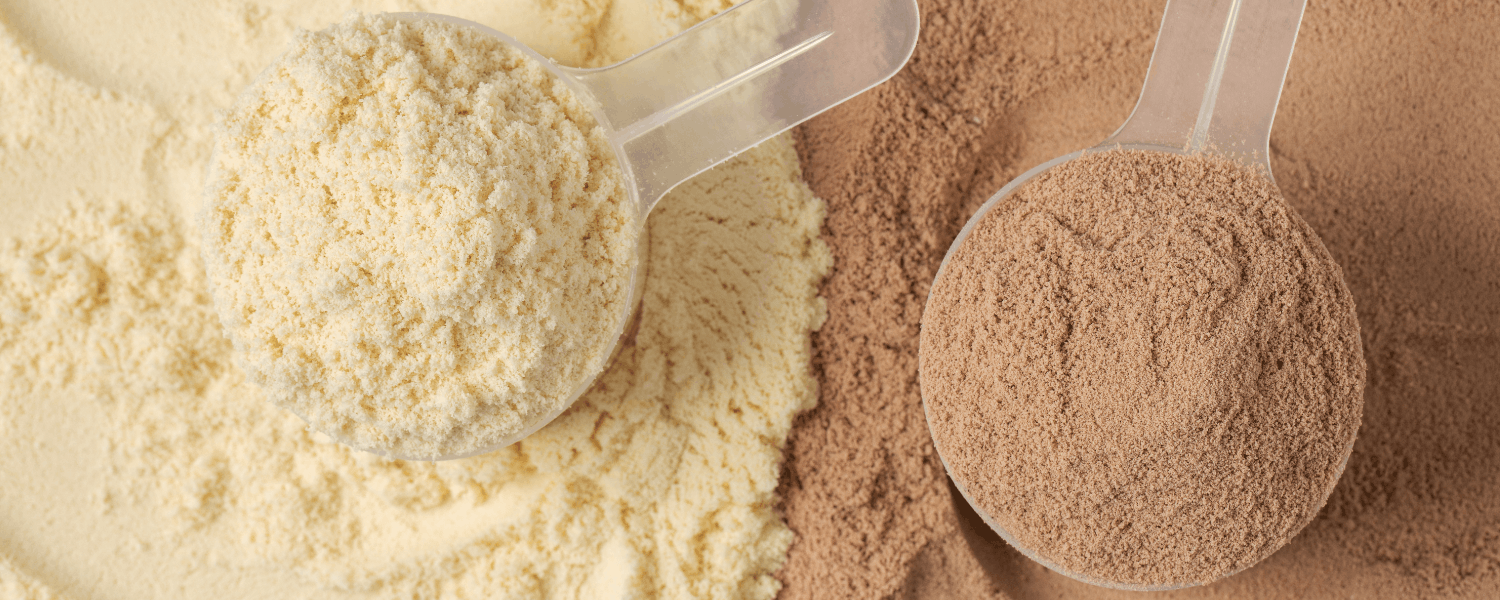
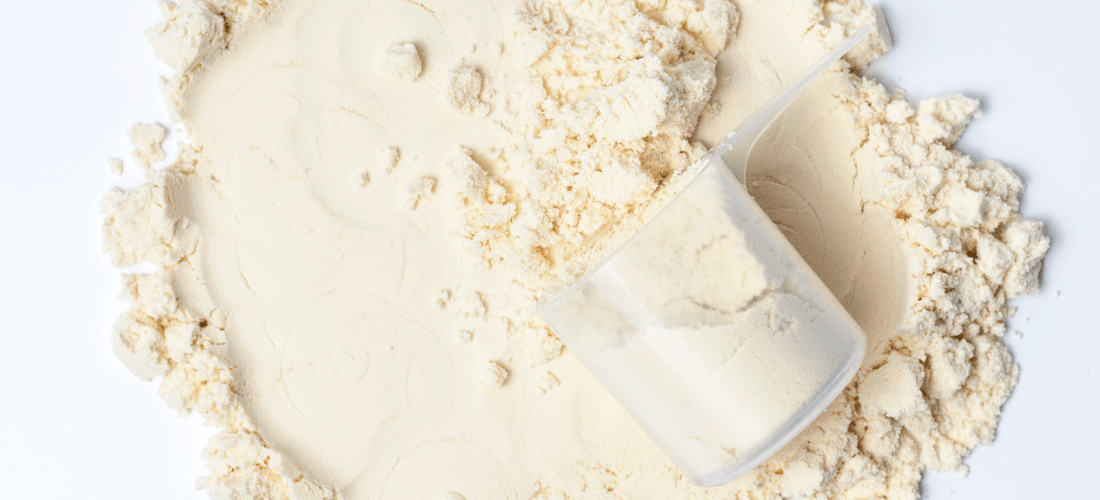
In both versions – Regular and Instant – whey protein concentrate comes in the form of a loose powder ranging in color from white to cream. It has a mild, milky whey taste and aroma, which makes it easy to use in various food sectors.
What do WPC 80 Regular and Instant have in common?
In terms of composition and nutritional value, WPC 80 Regular and WPC 80 Instant are very similar. In both cases, we are dealing with a whey protein concentrate with a minimum protein content of 80%, with controlled levels of fat, lactose, and moisture.
Both varieties are used in similar product categories: protein supplements, functional foods, protein bars, milk drinks, desserts, and as a feed ingredient in mixtures for young animals.
The common features of both versions include:
- high protein content and attractive amino acid profile,
- good solubility under industrial conditions,
- neutral sensory profile, thanks to which the product successfully “accepts” both flavors and sweeteners,
- wide range of applications in powder and liquid recipes.
What is instantization?
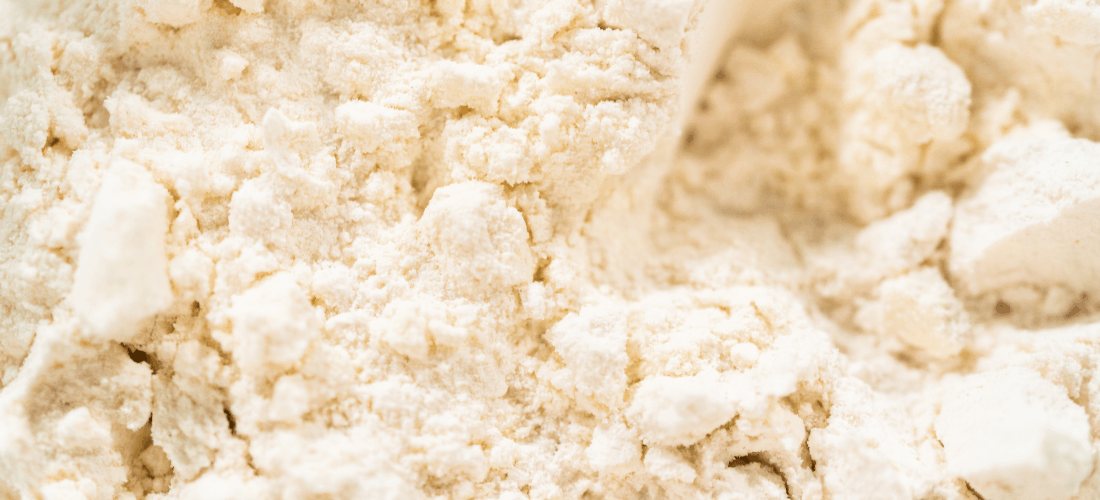
The key difference between regular protein concentrate and instant protein concentrate is the additional stage of powder processing, known as instantization. This process improves the wettability, dispersion, and solubility of the powder in cold liquids.
It is most often performed by agglomeration and spraying a small amount of emulsifier, e.g., sunflower lecithin, which changes the structure of the particles and how they behave in contact with water.
In practice, this means that WPC Instant:
- absorbs water faster during mixing,
- is less dusty and easier to pour,
- forms fewer lumps and ensures a smoother texture of the drink.
Regular protein does not undergo this additional stage, so under simple preparation conditions it will require longer mixing and may create a slightly less homogeneous consistency of the drink.
Regular WPC in the dairy sector
Appropriate technological conditions are important for the production of protein concentrate: efficient mixers, homogenization, and heat treatment. They allow for a variety of product applications.
When used, the lack of instantization is not a problem and often allows for the optimization of raw material costs compared to the instant version.
Examples of WPC Regular applications:
- drinkable yogurts, milk drinks, and high-protein drinks that undergo pasteurization or UHT treatment,
- ice cream, milk desserts, processed cheese, bread, and confectionery enriched with protein,
- instant products in which WPC is one of many ingredients,
- feed mixes for piglets and calves.
For manufacturers looking for an economical, versatile whey protein concentrate for industrial applications, WPC 80 Regular is the natural first choice.
WPC 80 Instant – when is it the better choice?
WPC 80 Instant is designed for applications where end-consumer convenience is crucial. Its ideal solubility in cold liquids, without the need for specialized equipment, is its key advantage.
It is a solution for brands that want to offer “just add water” products that can be mixed in a shaker, bottle, or even with a spoon – without lumps or excessive foam.
Typical applications for WPC 80 Instant include:
- protein powder supplements for athletes and active people,
- gainers and meal replacement (MRP) mixes,
- high-protein cocoa, protein coffees, breakfast drinks,
- ready-made mixes for drinks and desserts where “instant” is one of the key benefits on the label.
From a production plant perspective, WPC Instant can also reduce mixing time and facilitate quality control. The powder moistens and disperses more quickly, reducing the risk of dry powder “pockets” in the mixer.
Functional differences in practice
The main differences between WPC 80 Regular and WPC 80 Instant can be summarized in a few practical aspects:
Solubility in cold water
WPC 80 Instant dissolves faster and more evenly, resulting in a more pleasant drink texture. WPC 80 Regular requires more intensive mixing or a higher temperature to achieve a similar effect.
Consumer convenience
In RTM (ready-to-mix) products, the difference is clear. A WPC 80 Instant-based drink can be prepared with a few shakes of the shaker, while WPC 80 Regular may leave lumps and sediment.
Raw material cost
WPC 80 Instant is usually more expensive than WPC 80 Regular due to the additional instantization step. For many industrial applications, choosing Regular allows you to optimize the cost of the recipe while maintaining high protein quality.
Process stability
In the production of beverage powders or supplements, WPC 80 Instant can result in shorter mixing times and a lower risk of lumps forming at the production stage, which facilitates process standardization.
Which WPC 80 to choose?
From a B2B customer’s point of view, it is crucial to match the type of WPC to the nature of the end product.
WPC 80 Regular will be a good choice if:
- the end product is not presented as “instant for a shaker,”
- intensive mixing, homogenization, or heat treatment is used in the production process,
- the raw material should be economical and versatile, and the goal is to optimize production costs.
WPC 80 Instant is worth choosing:
- for protein supplements or instant drinks, to be prepared in cold water or milk,
- to minimize the risk of complaints related to lumps, excessive foam, or a “sandy” texture,
- to reduce mixing time and increase the repeatability of the production process.
It is good practice to test both versions of WPC 80 in the target recipe. Differences in solubility, texture, and process parameters are often best seen at the pilot-scale testing stage.