
Description

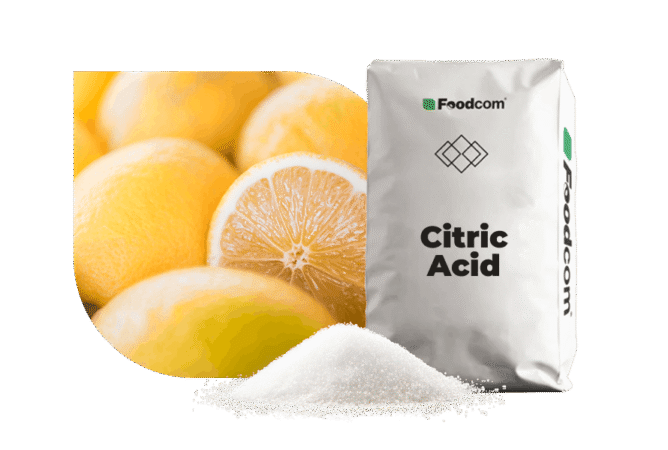
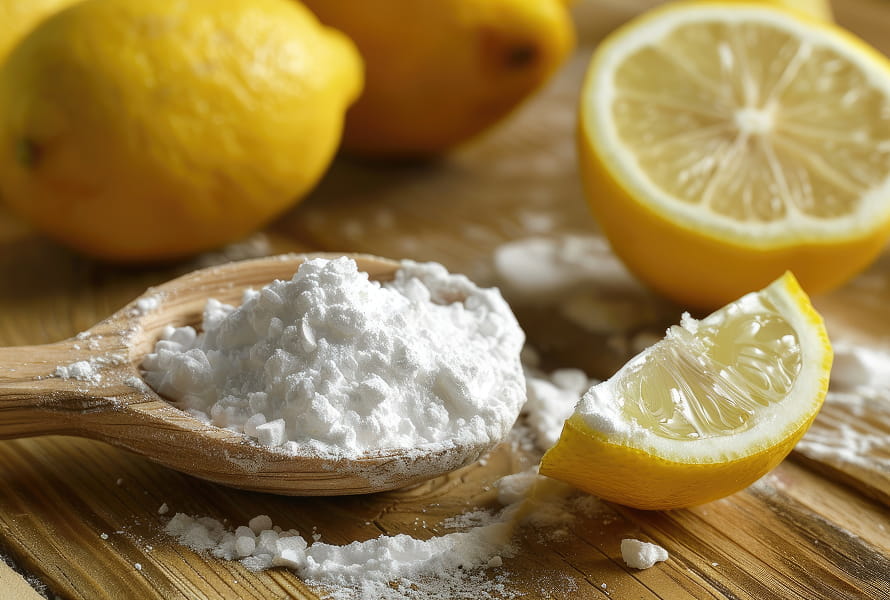
Citric Acid occurs naturally in citrus fruits such as lemons, oranges, black currants, strawberries, and pineapples. The acid is also found in most organisms, where it plays an important function in the burning of carbohydrates.

Technical aspects

As an acidity regulator, citric acid lowers pH levels, providing a preservative effect that extends the shelf life of food and feed products. It enhances sour flavors, acts as an antioxidant, and serves as an emulsion stabilizer, preventing fat separation. Thanks to its whitening and stabilizing properties, it is used not only in food and feed but also in industrial processes requiring pH control and product stability.

Application

Citric acid as a food additive functions as E330. It is an excellent preservative added to canned and preserved products to keep them fresh. It also serves as a binder and thickener in sauces, creams, jellies, jams and marmalades. In confectionery and baked goods, it improves the leavening power of the baking soda. It is also an important ingredient in cheese and beer production.

The acid is also used in other industries – as a water softener in detergents and soaps, and as a fertilizer in agriculture.

It can be also be added to feeds as it has a positive effect on broiler performance and bone mineralization, as well as better growth in weaners. Thanks to citric acid, feed stays fresher longer.

In the pharmaceutical industry, it is found in dietary supplements and in the formulation of drugs. Citric Acid masks their bitter taste, also has effervescent properties and stabilizing functions.

Citric acid is also widely used in the manufacture of cosmetics. Since it has a whitening effect, it can be found in cosmetics for blemished skin. It acts as an antioxidant and prolongs the shelf life of cosmetics.

Storage

The product should be stored in a dry, cool warehouse