Description

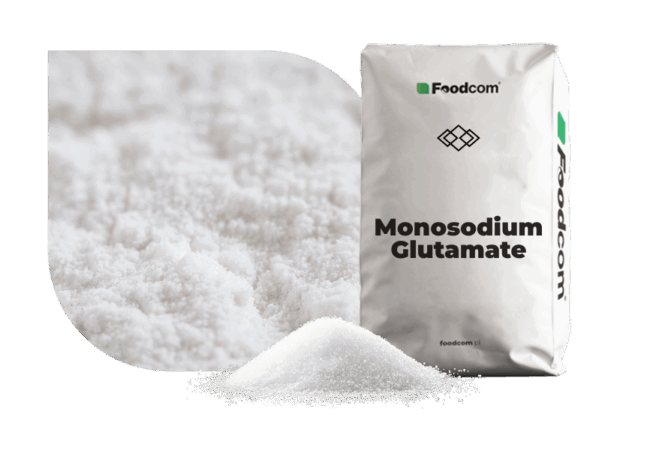
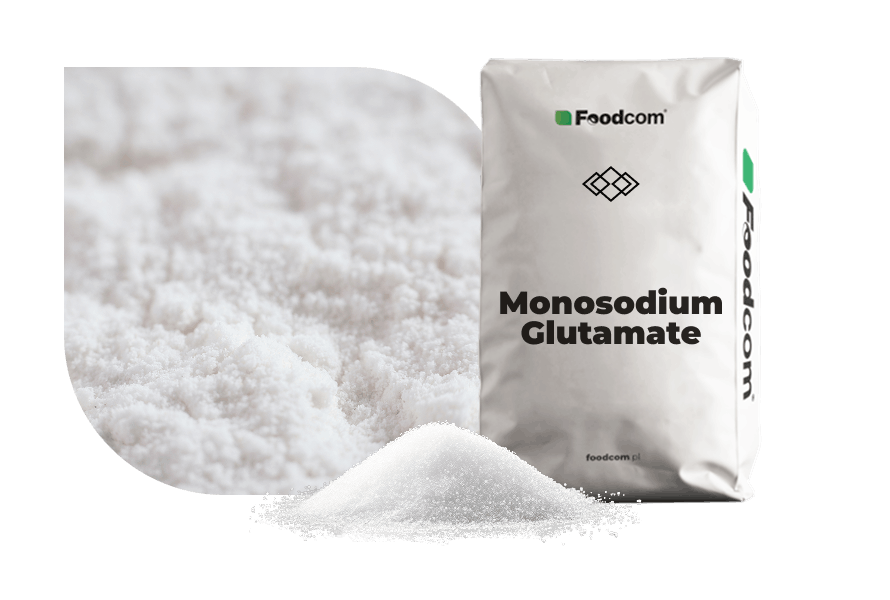
Monosodium glutamate, also known as MSG, is the sodium salt of glutamic acid, one of the most abundantly occurring amino acids. MSG is obtained by fermentation of starch, sugar cane, sugar beets, or molasses, but it naturally is present in seaweed broth, but also in many vegetables, cheeses, and mushrooms.

Technical aspects

Monosodium glutamate contains a single amino acid from glutamic acid and is not considered crude protein content. It is insoluble, and not hygroscopic in common organic solvents either. Responds well to processing, as it does not decompose when cooked. In the presence of sugar, it changes its color to brown when high temperatures are also applied.

It is usually available as a monohydrate, a white crystalline powder, odorless and soluble in water.

Application

Monosodium glutamate is a profoundly popular product because of its ability to elicit a taste “umami”, considered being the fifth taste. It has therefore found substantial application in the food industry, especially in meats, soups, baked goods, seasonings, and other products to enhance its flavors.

Storage

The shelf life of monosodium glutamate is 3 years. Product should be stored in a cool, dry place.

Package

FDCM supplies its Business Partners with monosodium glutamate in 25 kg bags.

Sign up for our newsletter to learn more about our products

Sign up for our newsletter to learn more about our products

Contact

Reach out to us!

Contact us by the contact form, and get a direct response to your question within four business hours!

Explore now