Description

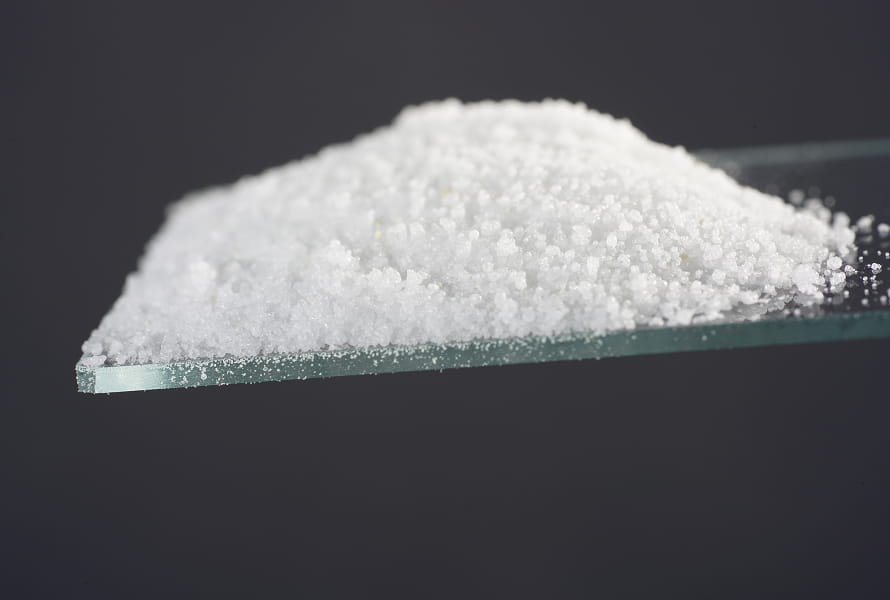
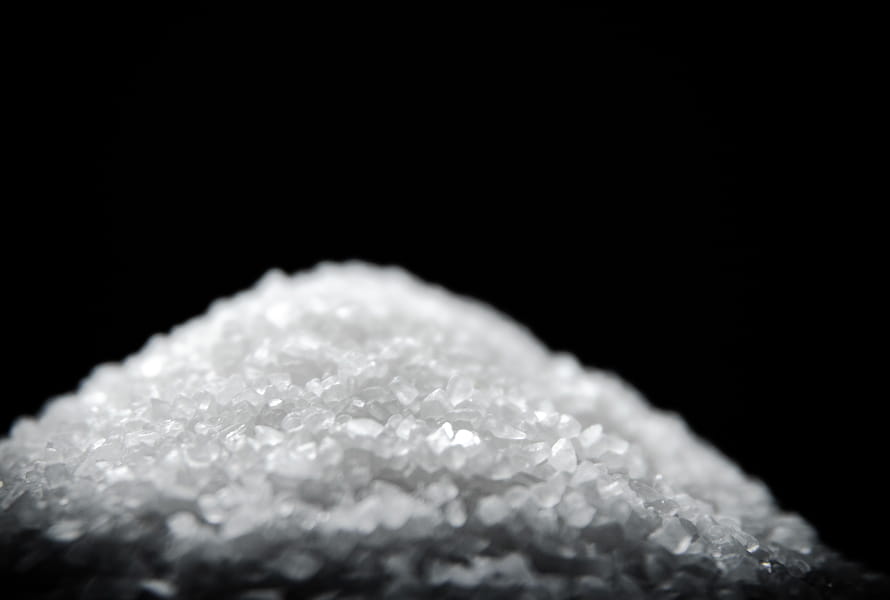
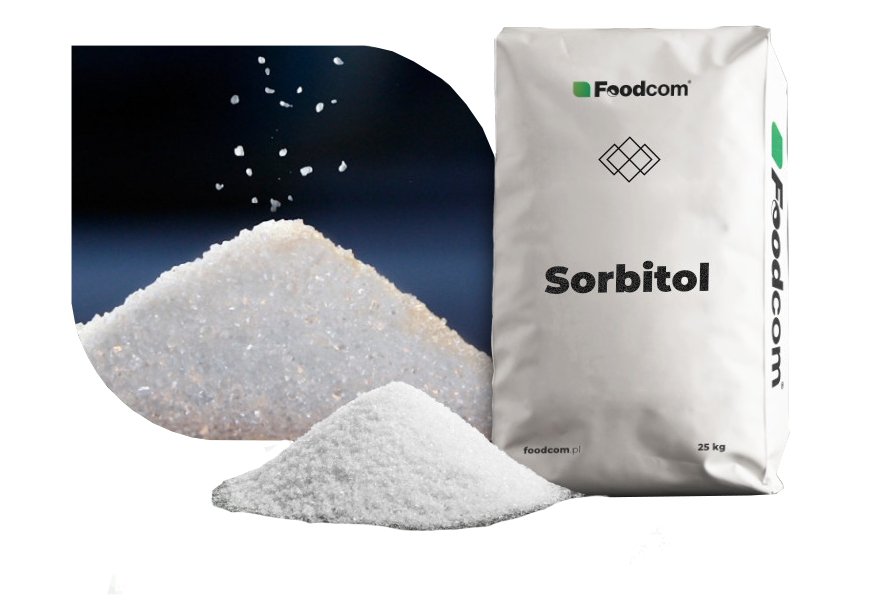
Crystalline sorbitol is a product obtained by crystallising highly purified sorbitol syrup, which is produced by the hydrolysis of edible starch. It is a white, odourless, crystalline powder with a mild, slightly sweet taste.

Powdered sorbitol is characterised by high purity and stability, is highly soluble in water and is widely used as a sweetener, stabiliser and humectant in the food industry.

Technical aspects

Sorbitol powder has a neutral odour, a mild taste and a free-flowing, crystalline structure. The product is GMO-free and meets strict chemical and microbiological purity standards.

Parameter Value
Water content ≤ 0.5%
Sorbitol content ≥ 98.0% s.m.
Reducing sugars ≤ 0.10% w.m.
Total sugar content ≤ 0.80%
Chlorides (Cl) ≤ 50 mg/kg
Sulphates (SO₄) ≤ 100 mg/kg
Lead (Pb) ≤ 0.50 mg/kg
Nickel (Ni) ≤ 1.00 mg/kg
Arsenic (As) ≤ 0.50 mg/kg
pH (10 °Brix) 5.0–7.0

Application

Crystalline sorbitol is used in the food industry as a low glycemic index sweetener, stabiliser and humectant. Added to confectionery, baked goods, chewing gum, desserts and dietetic products, it helps to preserve their freshness, gives them the right consistency and prevents them from drying out.

In sugar-free and low-calorie products, sorbitol also acts as a carrier for flavours and colours, while providing a pleasant, slightly sweet taste. Thanks to these properties, it is widely used in recipes where sugar content needs to be reduced without compromising taste and technological properties.

Storage

D-sorbitol should be stored in a dry, clean and well-ventilated place, at ambient temperature and relative humidity below 60%, away from products with a strong odour.

Package

E420 is available in small bags or big bags, placed on new pallets.

Frequently Asked Questions

What technological functions does sorbitol perform in formulations?
Sorbitol is used as a sweetener, humectant, and texture stabilizer. It can help maintain product moisture, affect consistency, and stability in various formulations.
In which industries is sorbitol most commonly used?
Sorbitol is used in the food, pharmaceutical, and cosmetic industries. It is used, among other things, in confectionery, chewing gum, diet products, syrups, toothpastes, and cosmetics.
How does sorbitol affect the texture of food products?
Thanks to its hygroscopic properties, sorbitol helps retain moisture in the product, which can affect the softness, freshness, and stability of the texture, especially in confectionery and bakery products.
Can sorbitol replace sugar in formulations?
Sorbitol can be used as a partial sugar substitute in some products. It has a lower sweetness than sucrose and at the same time performs technological functions related to maintaining the moisture and structure of the product.
Where can I buy sorbitol?
Sorbitol can be purchased through the FDCM platform, which offers raw materials and ingredients used in food, supplements, and animal feed.